



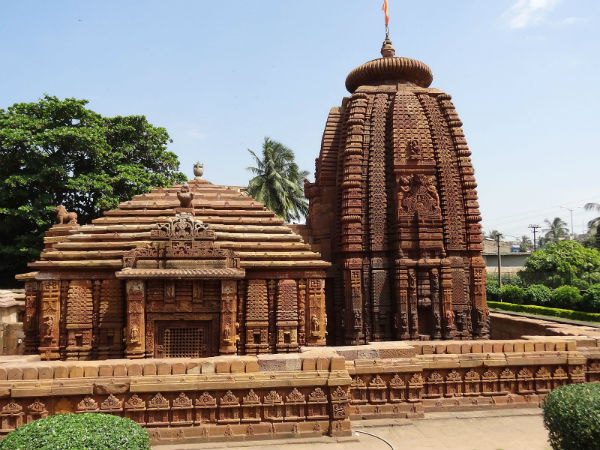
The Mukteswar Temple, located in Bhubaneswar, Odisha’s “Temple City,” is one of the most celebrated masterpieces of ancient Kalinga architecture. Dedicated to Lord Shiva, this 10th century shrine (c. 950–975 CE) marks a significant turning point in the evolution of Odishan temple design. Often referred to as the “Gem of Odisha Architecture,” the temple reflects a perfect blend of old and new architectural elements. According to Odisha Tourism, the Mukteswar Temple is considered the earliest example of a complete Odishan temple, symbolizing a transition toward innovative styles that influenced temple-building for the next century. Today, the temple is one of Bhubaneswar’s most visited heritage sites, renowned for its intricate carvings, iconic arched Torana, harmonious proportions, and deep spiritual legacy.

The Khajuraho Group of Monuments in Chhatarpur district, Madhya Pradesh, represents one of India’s greatest artistic achievements and a globally admired expression of ancient temple architecture. Built over 1,000 years ago, these temples are renowned for their exquisite sculptures, symbolic carvings, and stunning Nagara-style architectural brilliance. Today, they stand as a UNESCO World Heritage Site and one of India’s most visited heritage destinations. Contrary to popular belief, erotic carvings make up less than 10% of the artwork. The temples primarily depict (i) Daily life in ancient India (ii) Divine deities (iii) Mythological scenes (iv) Symbolic representations of dharma, artha, kama & moksha Khajuraho remains a living testament to India’s profound artistic, cultural, and spiritual legacy, drawing travelers, historians, dancers, scholars, and photographers from across the world.

Virupaksha Temple, located in Hampi (Ballari district, Karnataka), is one of India’s oldest continuously functioning temples and a key highlight of the Hampi Group of Monuments, a UNESCO World Heritage Site. The temple is dedicated to Lord Virupaksha, an incarnation of Lord Shiva, and stands as the spiritual heart of Hampi—once the glorious capital of the Vijayanagara Empire. As per Karnataka Tourism, the temple is the oldest shrine in Hampi, dating back to the 7th century, and has been a center of uninterrupted worship for over 1,300 years. Surrounded by the dramatic boulder-strewn landscapes of Hampi and situated on the banks of the Tungabhadra River, it remains the most sacred pilgrimage site in the region. The temple is also associated with Goddess Pampa, a local form of Parvati, making Lord Virupaksha revered as Pampa pati (consort of Pampa). Hampi’s ancient mythological significance as Pampakshetra revolves around this divine couple.
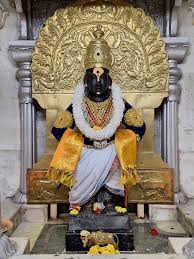
The Vittala Temple (also spelled Vitthala Temple) is one of the most magnificent and celebrated monuments in Hampi, Karnataka. Located on the banks of the Tungabhadra River, in the northeastern part of Hampi’s UNESCO World Heritage landscape, this temple is renowned for its stunning architecture, intricate carvings, musical pillars, and the world famous Stone Chariot. According to Karnataka Tourism, the Vittala Temple is considered the finest example of Hampi’s architectural brilliance, reflecting the artistic pinnacle of the Vijayanagara Empire. The temple is dedicated to Lord Vittala, a form of Lord Vishnu, and is often revered as the most elaborate temple in Hampi.
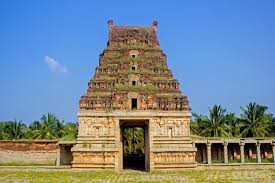
The Pattabhirama Temple, located in Kamalapura, approximately 6 km from the main Hampi heritage zone, is one of the most impressive yet lesser-visited monuments of the Vijayanagara Empire. Dedicated to Lord Rama, this sprawling temple complex showcases exceptional craftsmanship, intricate stonework, and architectural brilliance characteristic of Hampi’s golden period. Unlike more popular temples such as Virupaksha and Vittala, the Pattabhirama Temple stands in a quiet, isolated setting—offering visitors a peaceful, almost meditative experience amid the ruins. Its vast courtyards, pillared halls, and historical ambiance make it a perfect destination for heritage lovers, photographers, and those seeking to explore Hampi beyond the beaten path.
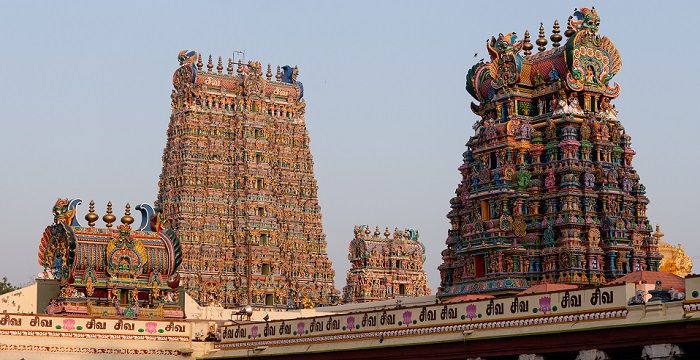
Arulmigu Meenakshi Sundareshwarar Temple, located in Madurai on the southern banks of the Vaigai River, is one of India’s oldest and most revered Hindu temples. Dedicated to Goddess Meenakshi (a powerful form of Parvati) and Lord Sundareshwarar (Shiva), this grand temple complex lies at the heart of ancient Madurai—often referred to as the “city of temples.” The temple is one of the Paadal Petra Sthalams, praised in early Tamil Saiva hymns (6th–9th century CE), and is among the most significant Shaivite pilgrimage centers in South India. The official temple website describes it as a living temple, where vibrant rituals, festivals, and cultural traditions continue daily even after thousands of years. Celebrated for its 14 towering gopurams, golden vimanams, sacred temple tank, and vast mandapams, the Meenakshi Temple stands as a hallmark of Dravidian architecture and Tamil heritage.
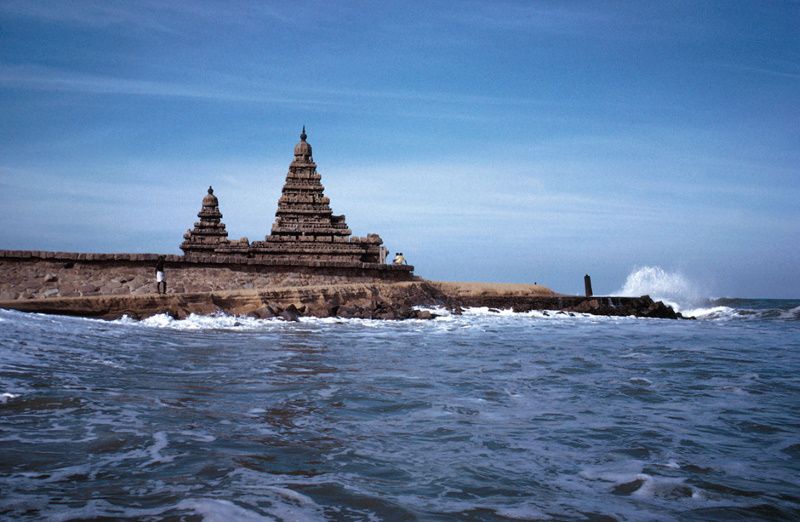
The Shore Temple, located along the scenic coastline of Mamallapuram (Mahabalipuram) in Tamil Nadu, is one of India’s earliest and finest examples of structural stone temples. Built between 700–728 CE during the reign of Pallava King Narasimhavarman II (Rajasimha), the temple stands majestically facing the Bay of Bengal, earning its name for its distinctive seafront location. Recognized as part of the UNESCO World Heritage-listed Group of Monuments at Mahabalipuram, the Shore Temple represents the architectural transition from rock-cut caves and monolithic rathas to structural temples carved from granite blocks. It is one of South India’s most iconic landmarks and a must visit heritage site.
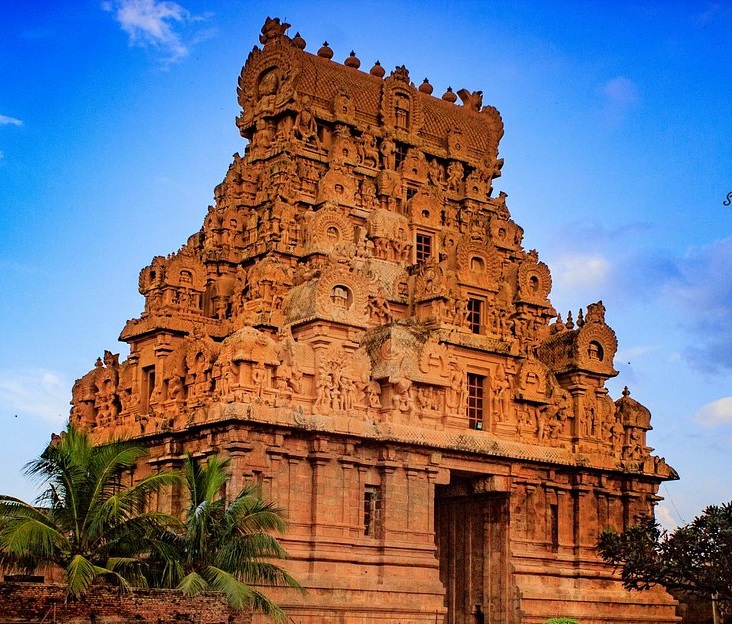
Arulmigu Brihadeeswara Temple, also known as Rajarajeswaram or Peruvudaiyar Kovil, is one of the grandest temples of India, dedicated to Lord Shiva. Located on the southern bank of the River Kaveri in Thanjavur, Tamil Nadu, the temple is a magnificent example of Dravidian and Chola architectural excellence. Built between 1003–1010 CE by the great Chola king Rajaraja Chola I, the temple forms a part of the UNESCO World Heritage Site – “Great Living Chola Temples”, alongside the temples of Gangaikonda Cholapuram and Airavatesvara Temple. The temple is revered as Dakshina Meru (Meru of the South) due to its majestic scale and engineering mastery. Constructed entirely from granite, it features (i) One of the tallest vimanas in South India (over 63 meters) (ii) One of the largest Shiva lingas in the country (iii) A vast colonnaded prakara (corridor) (iv) Exquisite sculptures, inscriptions, murals, and bronzes, including the famed 11th century Nataraja commissioned here. Brihadeeswara Temple is among the most visited heritage sites in Tamil Nadu.
_(14465165685).jpg)
The Chennakeshava Temple in Belur, located in the Hassan district of Karnataka, is one of the finest examples of Hoysala architecture in India. Built in 1117 CE by King Vishnuvardhana, this historic temple stands gracefully on the banks of the Yagachi River. Belur, once known as Velapura, served as an early capital of the Hoysala Empire. Dedicated to Lord Vishnu in the form of Chennakesava (meaning the handsome Vishnu), the temple continues to be an active place of worship and an important pilgrimage destination for Vaishnavites. Today, it is also a major cultural heritage site attracting tourists, historians, and architecture enthusiasts from across the world.
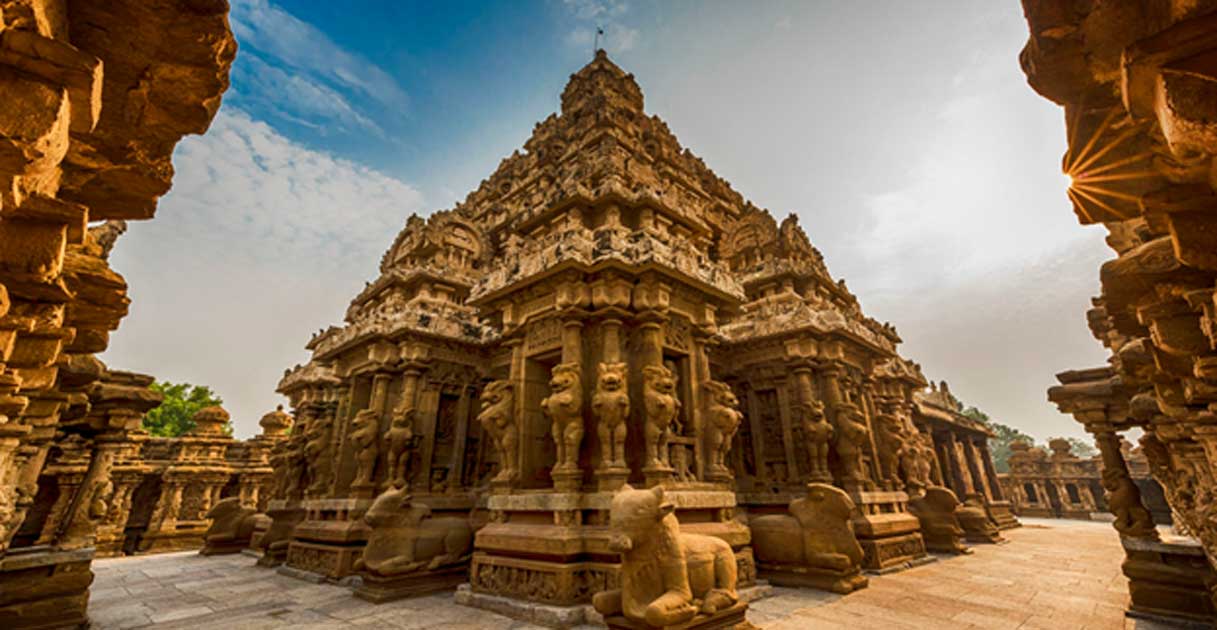
The Kailasanathar Temple in Kanchipuram, Tamil Nadu, is one of the oldest and most significant Hindu temples in South India. Dedicated to Lord Shiva, this ancient monument represents the early development of Dravidian temple architecture. Constructed around 700 CE by the Pallava king Narasimhavarman II (Rajasimha), the temple stands as a remarkable example of artistic excellence and religious devotion. It is widely regarded as the oldest surviving structure in Kanchipuram, often described as the “City of Thousand Temples.” [en.wikipedia.org], [tamilnadut....tn.gov.in] The temple is especially famous for its (i) Sandstone construction (often called the“Sand Temple”) (ii) Intricate carvings and early mural paintings (iii) Numerous mini shrines dedicated to Lord Shiva
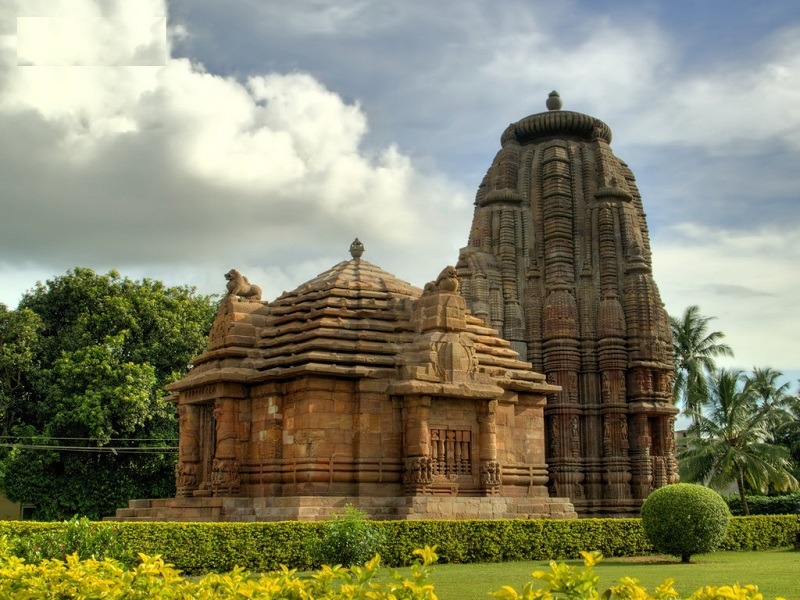
The Rajarani Temple in Bhubaneswar, Odisha, is one of the most remarkable examples of 11th-century temple architecture in eastern India. This historic monument stands out for its elegant design, intricate sculptures, and unique identity, making it a must-visit attraction in the “Temple City of India.” Unlike most temples, the Rajarani Temple does not house a presiding deity, which makes it unusual in comparison to other Hindu shrines. Because of this, it is considered a non-sectarian monument open to all visitors, regardless of religious beliefs. The temple derives its name from the reddish and yellow sandstone (locally called ‘Rajarani’ stone) used in its construction, adding to its distinctive charm and aesthetic appeal.

The Akshardham Temple in Gandhinagar, Gujarat, is one of India’s most renowned spiritual and cultural complexes, dedicated to Bhagwan Swaminarayan. The term “Akshardham” means the divine abode of God, symbolizing eternal peace, devotion, and spiritual fulfillment. This architectural masterpiece is not just a temple but a complete cultural and educational campus that reflects the essence of Hindu traditions, philosophy, and values. Built by the BAPS Swaminarayan Sanstha, the complex showcases the life, teachings, and legacy of Bhagwan Swaminarayan through art, exhibitions, and immersive experiences. The temple was inaugurated on 4 November 1992, under the guidance of Pramukh Swami Maharaj, inspired by Yogiji Maharaj, and stands as a tribute to Indian heritage and spirituality.

Swaminarayan Akshardham in New Delhi is a Hindu temple and spiritual-cultural complex located near the Noida border. Also referred to as Akshardham Temple or Akshardham Delhi, the complex showcases centuries of traditional and contemporary Hindu culture, spirituality, and architecture. It was constructed by BAPS, inspired by Yogi Ji Maharaj, and brought to fruition under the guidance of Pramukh Swami Maharaj.