
Mukteswar Temple, Bhubaneswar, Odisha

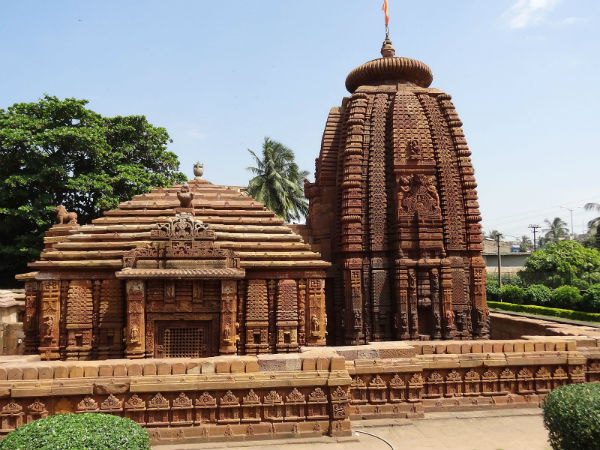
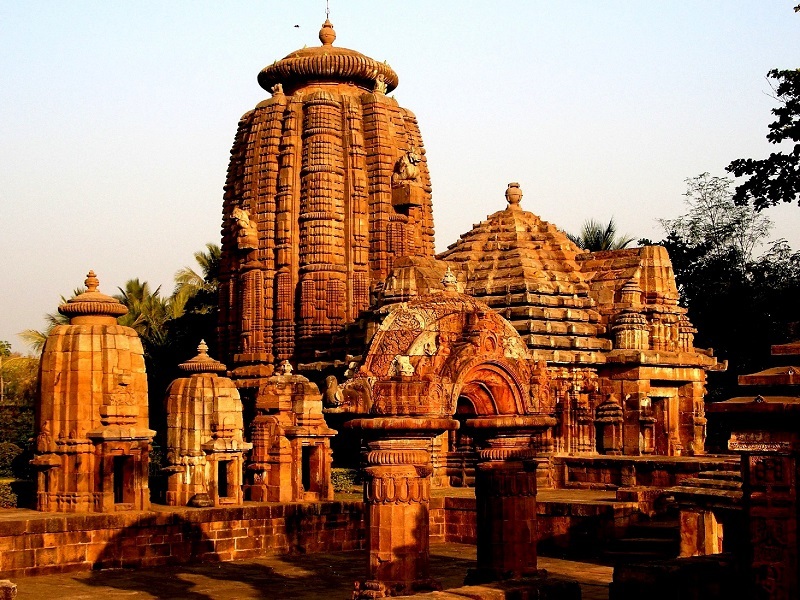
The Mukteswar Temple, located in Bhubaneswar, Odisha’s “Temple City,” is one of the most celebrated masterpieces of ancient Kalinga architecture. Dedicated to Lord Shiva, this 10th century shrine (c. 950–975 CE) marks a significant turning point in the evolution of Odishan temple design. Often referred to as the “Gem of Odisha Architecture,” the temple reflects a perfect blend of old and new architectural elements. According to Odisha Tourism, the Mukteswar Temple is considered the earliest example of a complete Odishan temple, symbolizing a transition toward innovative styles that influenced temple-building for the next century. Today, the temple is one of Bhubaneswar’s most visited heritage sites, renowned for its intricate carvings, iconic arched Torana, harmonious proportions, and deep spiritual legacy.

 Old Town, Bhubaneswar, Odisha 751019


  Old Town, Bhubaneswar, Odisha 751019


History of Mukteswar Temple

The Mukteswar Temple stands as a landmark in the history of Odisha’s temple architecture:

  • Built around the 10th century CE, the temple introduced several architectural features not seen in earlier shrines.
  • It played a crucial role in bridging the architectural styles of earlier temples like Parasurameswara (7th century) with later grand temples such as Lingaraj and Rajarani.
  • The temple’s Torana (arched gateway), richly carved with scrollwork, mythical makaras, feminine figures, and beaded motifs, has become the most recognized symbol of the temple’s elegance.
  • Scholars often consider Mukteswar Temple the beginning of a classical period of Odishan architecture, representing a matured and refined style.

The term Mukteswar means “Lord of Freedom,” symbolizing Shiva as the giver of liberation (moksha).


Architecture & Design Features

A Masterpiece of Early Kalinga Design

The Mukteswar Temple showcases exceptional craftsmanship and structural harmony, making it a landmark in Indian temple art.

1. Torana (Arched Gateway) – The Iconic Highlight

  • The Torana is the only one of its kind in Odisha, showcasing Buddhist-influenced sculptural patterns.
  • It features intricate carvings of:
    • Scroll motifs
    • Beaded chains
    • Female figures in graceful poses
    • Monkey and peacock motifs
    • Makara‑mukha (mythical crocodile heads) on each arch

This ornamental gateway marks the beginning of the Jagamohana (porch) and is often considered the temple’s most striking feature.

2. Vimana (Sanctum Tower)

  • Built on a raised platform with a square ground plan
  • Features a rekha‑deula style shikhara rising to about 10.5 meters (34 ft)
  • Decorated with:
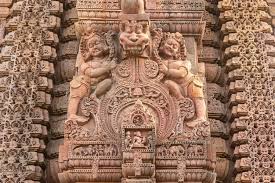
    • Four Nataraja carvings
    • Kirtti‑mukhas
    • Bho motifs (chaitya windows with masked demon faces)

3. Jagamohana (Assembly Hall)

  • Unique for its pyramidal stepped roof, a style that became standard in later temples
  • Includes:
    • Perforated stone windows
    • Carved panels depicting holy men (sadhus), apsaras, deities, and decorative motifs
    • Sculptures of Gajalakshmi, Rahu, Ketu, Ganga, and Yamuna

4. Sanctum

  • The inner sanctum houses Lord Mukteshwara (Shiva)
  • Adorned with carvings of nagas and naginis, elegant female figures, and miniature shrines

5. Surroundings

  • The complex is enclosed by a beautifully decorated octagonal compound wall
  • A sacred water tank known as Marichi Kunda stands nearby
    • Women believe bathing here grants fertility

This temple’s balanced proportions, flowing lines, and sculptural depth are why art historians call it the finest example of early Odisha temple architecture.


Religious Significance

Mukteswar Temple reflects Shaivite traditions and symbolizes liberation (moksha). The deity, Lord Mukteshwara, is worshipped as a form of Shiva who grants spiritual freedom.

Key features of its religious importance:

  • Represents the transformation phase in Odishan temple worship
  • Holds mythological and tantric influences through its carvings and motifs
  • Devotees visit the temple to seek blessings for spiritual growth, peace, and liberation

Temple Timings (Daily Routine)

The temple is open all days of the week.

  • Opening Hours: 7:00 AM
  • Closing Hours: 7:00 PM

Visitors can explore the temple complex, admire its architecture, and offer prayers throughout the day.


Festivals & Events

Mukteswar Dance Festival (January 14–16)

A major cultural festival organized by Odisha Tourism, held annually in front of the temple:

  • Features performances by renowned Odissi dancers and classical musicians
  • Free entry for all visitors
  • The illuminated temple backdrop creates a breathtaking cultural experience

This festival celebrates Odisha’s rich classical dance tradition and attracts tourists from around the world.


How to Reach Mukteswar Temple

Map


By Air

  • Nearest airport: Biju Patnaik International Airport (3 km)
  • Well-connected to Delhi, Mumbai, Bangalore, Kolkata, and other major cities

By Rail

  • Nearest station: Bhubaneswar Railway Station
  • Connected to Howrah, Guwahati, Chennai, Hyderabad, and more

By Road

  • Bhubaneswar is accessible from surrounding states including Jharkhand and Chhattisgarh
  • Regular OSRTC and private buses serve the city

Nearby Temples & Attractions

1. Parasurameswar Temple

7th‑century shrine marking the beginning of Odisha temple architecture.

2. Rajarani Temple

Known as the “Love Temple” for its sensuous carvings and exquisite craftsmanship.

3. Ananta Basudeva Temple

Unique Vishnu temple with structural parallels to Lingaraj Temple.

4. Lingaraj Temple

A grand 11th‑century shrine standing 180 feet tall—pinnacle of the Kalinga style.

5. Odisha State Museum

Showcases centuries of Odisha’s culture, arts, and archaeological treasures.


Contact Information

Phone: +91‑7377898398
Address:  Old Town, Bhubaneswar, Odisha – 751002
Official Website:
https://odishatourism.gov.in/content/tourism/en/discover/attractions/temples-monuments/mukteswar-temple.html