



_(14465165685).jpg)
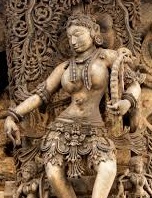
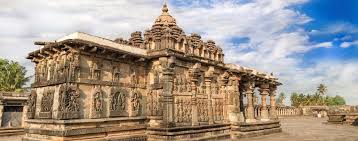
The Chennakeshava Temple in Belur, located in the Hassan district of Karnataka, is one of the finest examples of Hoysala architecture in India. Built in 1117 CE by King Vishnuvardhana, this historic temple stands gracefully on the banks of the Yagachi River. Belur, once known as Velapura, served as an early capital of the Hoysala Empire. Dedicated to Lord Vishnu in the form of Chennakesava (meaning the handsome Vishnu), the temple continues to be an active place of worship and an important pilgrimage destination for Vaishnavites. Today, it is also a major cultural heritage site attracting tourists, historians, and architecture enthusiasts from across the world.
🏛️
Historical Significance
The
temple was built to commemorate a significant military victory of King
Vishnuvardhana. The construction lasted over a century, involving multiple
generations of skilled craftsmen.
During
medieval invasions, particularly by the Delhi Sultanate armies, the
temple complex suffered repeated damage. However, it was restored by later
dynasties, ensuring its survival as a symbol of the Hoysala legacy.
Belur
was regarded as a sacred city during the Hoysala period and was often described
as:
🧱
Architecture of Chennakeshava Temple
The
temple is constructed using soapstone (chloritic schist), which allows
intricate detailing and fine carvings. Over time, the stone hardens, preserving
these artistic details.
Key
Architectural Highlights
🧭
Temple Layout
🔹
Jagati Platform
The
temple rests on a raised platform called the Jagati, symbolizing the
earthly world. Devotees can perform pradakshina (circumambulation)
around the temple before entering.
🧑🎨
Sculptures & Exterior Carvings
One
of the most captivating features of the Chennakeshava Temple is its detailed
stone carvings.
🪔 Key
Artistic Elements:
💃
Madanikas (Salabhanjikas)
The
temple features beautifully carved celestial maidens called Madanikas,
showcasing:
Out
of the original 40, 38 Madanikas still survive today.
🏺
Interior Design & Pillars
🌟
Navaranga Hall
🌼
Ceiling Design
The
central dome depicts a lotus motif with carvings of:
Friezes
around the ceiling narrate stories from Hindu epics.
🛐
Sanctum (Garbhagriha)
The
sanctum houses a 6‑foot tall idol of Lord Chennakesava, standing on a
pedestal.
Key
features:
🎉
Festivals & Rituals
🪔
Daily Temple Timings
🎊
Major Festival: Rathotsava
🚗 How
to Reach Chennakeshava Temple
 Map
Map
✈️ By Air
🚆 By
Rail
🚌 By
Road
Regular
buses are available.
🌄
Nearby Tourist Attractions
🏛️
Halebidu
🌊
Yagachi Dam
🏞️
Shivanasamudra Falls
🏰
Mysore
📞
Contact Details
📝 Why
Visit Chennakeshava Temple?