



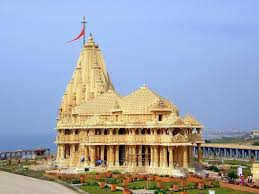
The Dwarkadhish Temple, also known as the Jagat Mandir, is one of India’s most revered Hindu temples dedicated to Lord Krishna, worshipped here as Dwarkadhish – “King of Dwarka.” Situated in Dwarka, Gujarat, this ancient temple is a major pilgrimage site forming an integral part of the Char Dham Yatra, along with Badrinath, Jagannath Puri, and Rameswaram. The main temple structure, known as the Nija Mandir or Jagat Mandir, is a five storied marvel supported by 72 intricately carved pillars. Based on archaeological findings, the temple is believed to be over 2,000 years old, with significant renovations and expansions carried out in the 15th and 16th centuries. The Dwarkadhish Temple follows the Pushtimarg tradition established by Jagadguru Vallabhacharya and is managed according to the guidelines of the Vallabh Sampradaya.
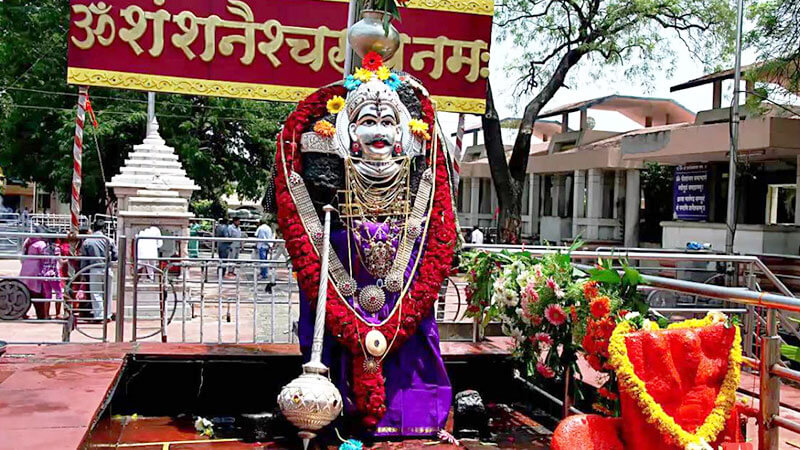
Shani Shingnapur, located in the Ahmednagar district of Maharashtra, is one of the most revered temples dedicated to Lord Shani Dev, the deity representing Saturn and justice. The temple is world famous because no house or building in the village has doors or locks, as devotees believe in Shani Dev’s protection. For centuries, the village has remained free from thefts and major crimes—a living testament to the faith of the people. The temple enshrines a swayambhu (self manifested) black stone, representing Lord Shani, and is worshipped in an open air platform as per the deity’s divine instruction. Daily thousands of devotees visit the temple, especially on Saturdays, Amavasya, and Shani Trayodashi, which are considered highly auspicious for worshipping Shani Maharaj.
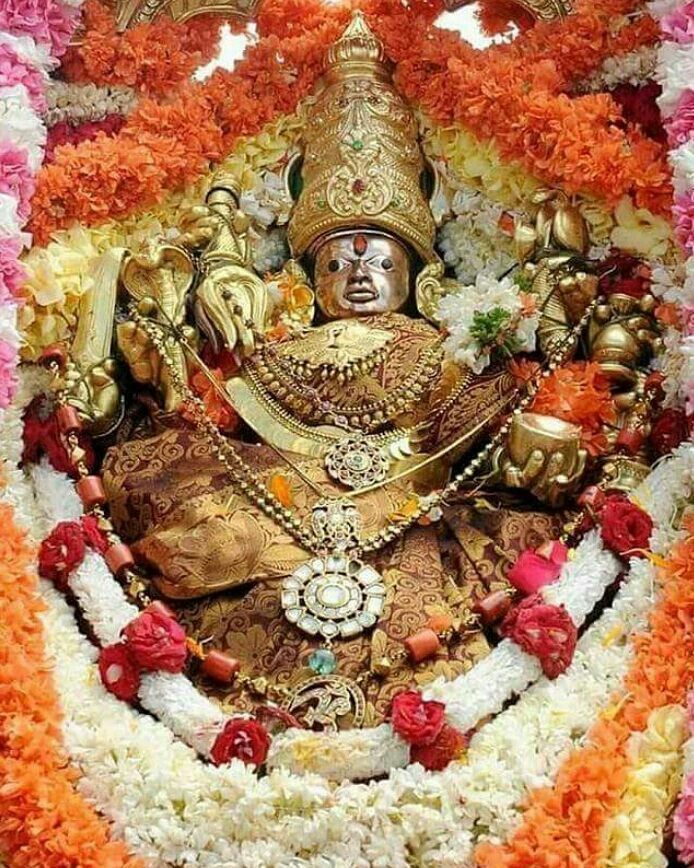
Sri Chamundeshwari Temple, one of Karnataka’s most sacred Shakti temples, is located atop the picturesque Chamundi Hills, about 13 km from Mysuru City. The temple is dedicated to Goddess Chamundeshwari, a fierce and compassionate form of Shakti, who vanquished the demons Mahishasura, Chanda, and Munda. Because of this, she is also worshipped as Mahishasura Mardini. Chamundeshwari is revered as the Naada Devi (State Goddess) of Karnataka and the Kuladevi (family deity) of the Mysuru Wadiyar royal family. The temple and the hill are described in sacred scriptures including the Skanda Purana, forming part of the holy Trimuta Kshetra, surrounded by eight hills. Situated at an elevation of roughly 3,300 ft above sea level, the temple offers breathtaking views of Mysuru city, making it both a spiritual and scenic destination.
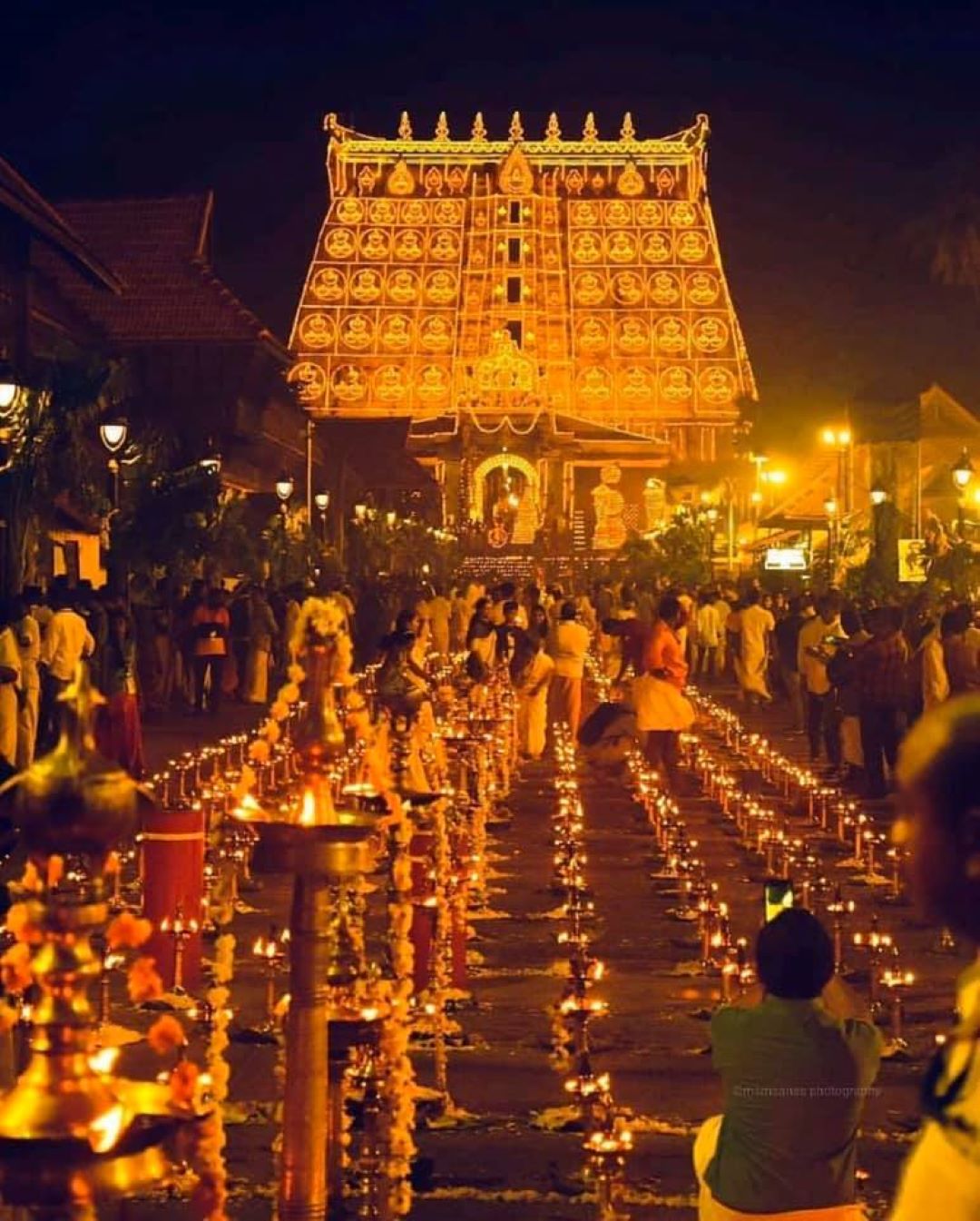
The Sree Padmanabhaswamy Temple, located in the heart of Thiruvananthapuram, Kerala, is one of the most prominent Vishnu temples in India. The city itself derives its name from the deity—Thiru Anantha Puram meaning “The City of Lord Ananta”, referring to Lord Vishnu reclining on the sacred serpent Adi Shesha. The temple is a sublime blend of Cheran and Dravidian architectural styles, known for its towering seven tier gopuram, intricate stone carvings, and gold plated sanctum structures. Dedicated to Lord Padmanabha (Lord Vishnu) in the Anantha Shayana pose—reclining on the serpent—this temple is revered as one of the 108 Divya Desams in Vaishnavism. The temple is historically linked to the Travancore Royal Family, who continue to serve as the temple’s traditional custodians. The current trustee is H.H. Moolam Thirunal Rama Varma, the titular Maharaja of Travancore. The sanctity, heritage, architecture, and treasures discovered within the temple vaults have made it one of the most celebrated temples in the world.
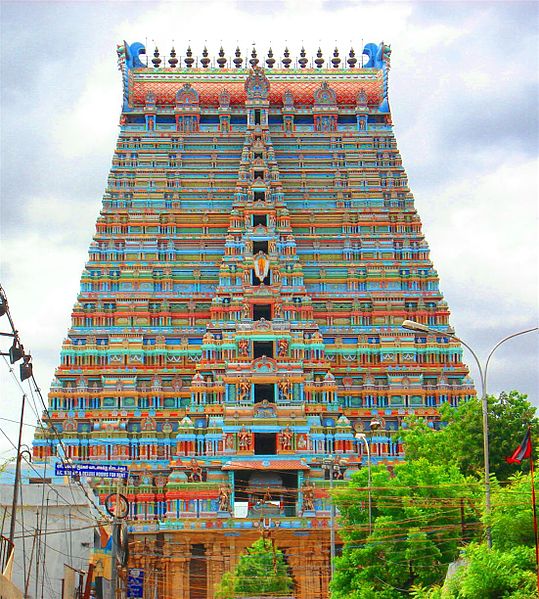
The Sri Ranganathaswamy Temple in Srirangam, Tiruchirappalli, is one of the most revered and historically significant Vishnu temples in India. Recognized as the first and foremost of the 108 Divya Desams, Srirangam is also the first among the eight Swayam Vyakta Kshetras—sacred temples where Lord Vishnu manifested on His own. The temple is affectionately known as (i) Periyakoil (ii) Thiruvarangam (iii) Bhoologa Vaikundam (Heaven on Earth) (iv) Bhogamandabam Among Vaishnavas, the term “Koil” itself traditionally refers only to Srirangam, highlighting its supremacy. Spread across 156 acres, Srirangam is the largest functioning Hindu temple complex in the world, featuring (i) • Seven concentric enclosures (prakaras) (ii) 21 ornate gopurams (towers) (iii) One of the tallest temple towers in Asia, the Rajagopuram The temple sits beautifully on an island formed by the Cauvery and Coleroon rivers, making it both spiritually significant and naturally scenic. The presiding deity, Lord Ranganathar (Vishnu), is worshipped in the Ananta Shayana posture—resting on the serpent Adisesha—while Goddess Ranganayaki Thayar (Lakshmi) is enshrined in a separate sanctum.
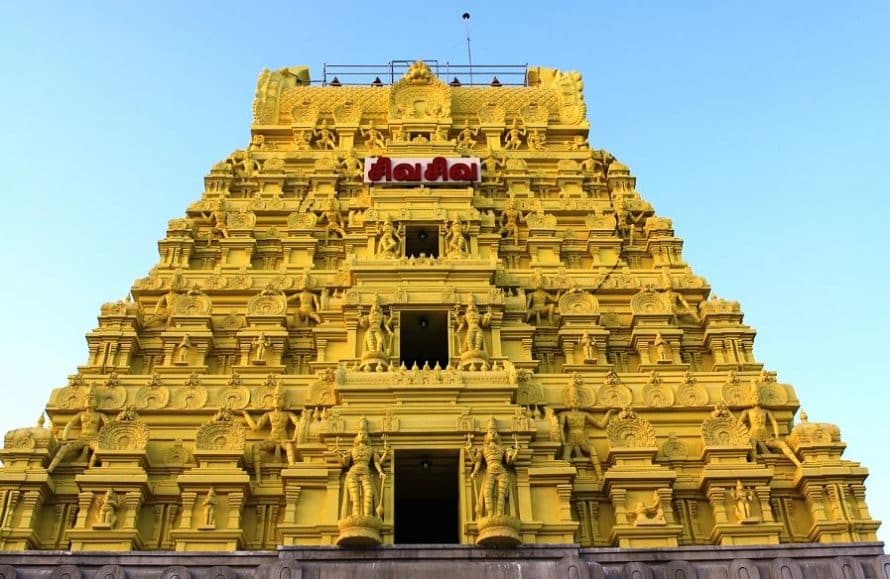
Arulmigu Ramanathaswamy Temple, located on the sacred Rameswaram Island in Ramanathapuram district of Tamil Nadu, is one of the most revered shrines dedicated to Lord Shiva. It holds an unparalleled place in Hindu tradition as (i) One of the 12 Jyotirlinga temples of Lord Shiva (ii) One of the Char Dham pilgrimage destinations along with Badrinath, Dwarka, and Jagannath Puri (iii) One of the 274 Paadal Petra Sthalams, glorified by revered Shaivite saints (Appar, Sundarar & Tirugnana Sambandar) According to belief, Lord Rama worshipped Lord Shiva here before embarking on his journey to Lanka. He created a lingam from sand, known as Ramalingam, while Hanuman brought another lingam from Kailash, called Vishwalingam. As instructed by Rama, Vishwalingam is worshipped first, a tradition followed even today. The temple is renowned for its majestic architecture, its longest temple corridor in India, and its sacred 22 Tirthams for holy purification. It is one of the most significant pilgrimage destinations for Shaivites, Vaishnavites, and Smarthas alike.
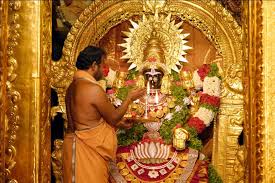
The Sripuram Golden Temple, located at Thirumalaikodi (Malaikodi) near Vellore in Tamil Nadu, is a globally renowned spiritual landmark dedicated to Sri Lakshmi Narayani, the Goddess of wealth, compassion, and prosperity. Nestled at the foothills of a lush green valley, the temple complex is part of the Sri Narayani Peedam and the Sripuram Spiritual Park. The temple was consecrated on August 24, 2007, under the divine guidance of Sri Sakthi Amma (Narayani Amma). Built using more than 1.5 tonnes of pure gold, Sripuram is considered the largest golden temple in the world, attracting millions of devotees of all faiths every year. Sripuram is often referred to as a “Spiritual Oasis”, inviting people from across the world to experience peace, devotion, and inner transformation.
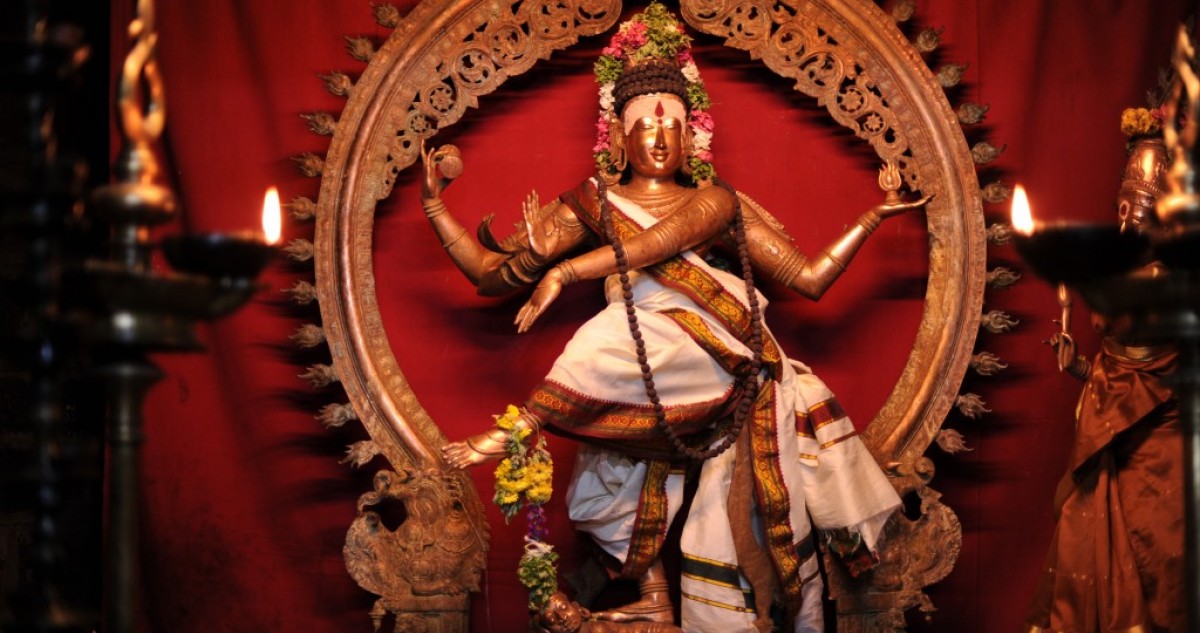
Thillai Nataraja Temple, also known as Chidambaram Nataraja Temple, is one of India’s most ancient and spiritually significant temples dedicated to Lord Shiva, worshipped here as Nataraja – The Lord of Cosmic Dance. Located in Chidambaram, Cuddalore district, Tamil Nadu, this temple is a living embodiment of art, spirituality, philosophy, and cosmic symbolism. The term Chidambaram translates to “Chit + Ambaram” meaning the sky of consciousness. It signifies the spiritual space where the soul dissolves into divine wisdom. The temple also represents the eternal dance of creation and dissolution, a core concept in Shaivism. One of the most unique features of the temple is the Chidambara Rahasyam, a mystical representation of Shiva as the formless, infinite space element (Akasha) behind the curtain in the sanctum—symbolizing the invisible and transcendental nature of God. Key Highlights (i) One of the Pancha Bhoota Sthalams, representing Akasha (space) (ii) Temple walls feature 108 Karanas from Bharata Muni’s Natya Shastra (foundation of Bharatanatyam) (iii) A rare temple where Shiva is worshipped in anthropomorphic form as Nataraja, not as a traditional Lingam (iv) A sacred space embracing Shaivism, Shaktism, Vaishnavism, and Vedic philosophy (v) One of the oldest continuously functioning temple complexes in South India
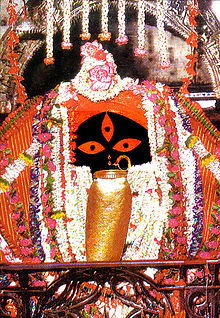
Kalighat Kali Temple, located in South Kolkata, West Bengal, is one of the most revered shrines dedicated to Goddess Kali and one of the 51 Shakti Peethas in the Indian subcontinent. According to legend, the right toe of Goddess Sati fell here, sanctifying this site as Kalikshetra. Once situated on the banks of the ancient channel of the Hooghly River (Bhagirathi), Kalighat derived its name from the sacred Adi Ganga, the original course of the river. Over time, the river shifted, but the temple’s spiritual significance has only grown stronger. Kalighat is not only a pilgrimage destination—it is the beating heart of Kolkata’s cultural and religious identity. The very name “Kolkata” is believed to have evolved from Kalikata, derived from the temple’s ancient association. Today, devotees from across the world visit this iconic temple to receive blessings from Maa Kalika, the fierce yet compassionate form of Shakti.
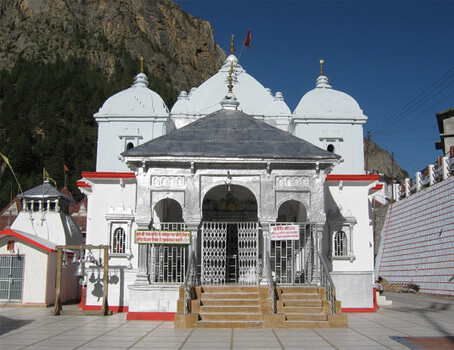
Gangotri Temple, located in the serene town of Gangotri in the Uttarkashi district of Uttarakhand, is one of the most revered spiritual destinations in India. Situated at an elevation of 3,100 metres, this Himalayan shrine is dedicated to Goddess Ganga, worshipped here in her most sacred earthly form. Built in the early 18th century by Gorkha General Amar Singh Thapa, the temple stands majestically on the left bank of the Bhagirathi River, surrounded by serene deodar and pine forests. This holy site marks the origin of the River Ganga—known locally as Bhagirathi—which emerges from the Gaumukh glacier, 18 km upstream. Gangotri is one of the four revered dhams of the Chota Char Dham Yatra, making it a major pilgrimage center for devotees seeking purity, liberation, and divine blessings. Close to the temple lies the sacred Bhagirath Shila, where King Bhagirath is believed to have meditated to bring Ganga down from heaven for the salvation of his ancestors.
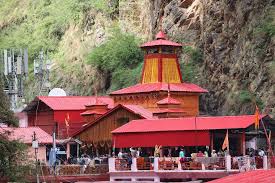
Yamunotri Temple, nestled at an elevation of 3,293 meters (10,804 ft) in the Uttarkashi district of Uttarakhand, marks the divine origin of River Yamuna, India’s second holiest river. Surrounded by rugged Himalayan peaks, dense forests, and gushing streams, this sacred shrine is the first pilgrimage destination of the Chota Char Dham Yatra, dedicated to Goddess Yamuna. The temple houses a stunning black marble idol of Maa Yamuna, adorned with garlands and silver embellishments. Its spiritual atmosphere, combined with the region’s natural beauty, makes Yamunotri a deeply revered place for devotees seeking purification and blessings. Yamunotri is accessible only by a 6 km trek from Janki Chatti or a 13 km trek from Hanuman Chatti, with ponies, palanquins (dandi), and basket carriers available for those who prefer not to walk.
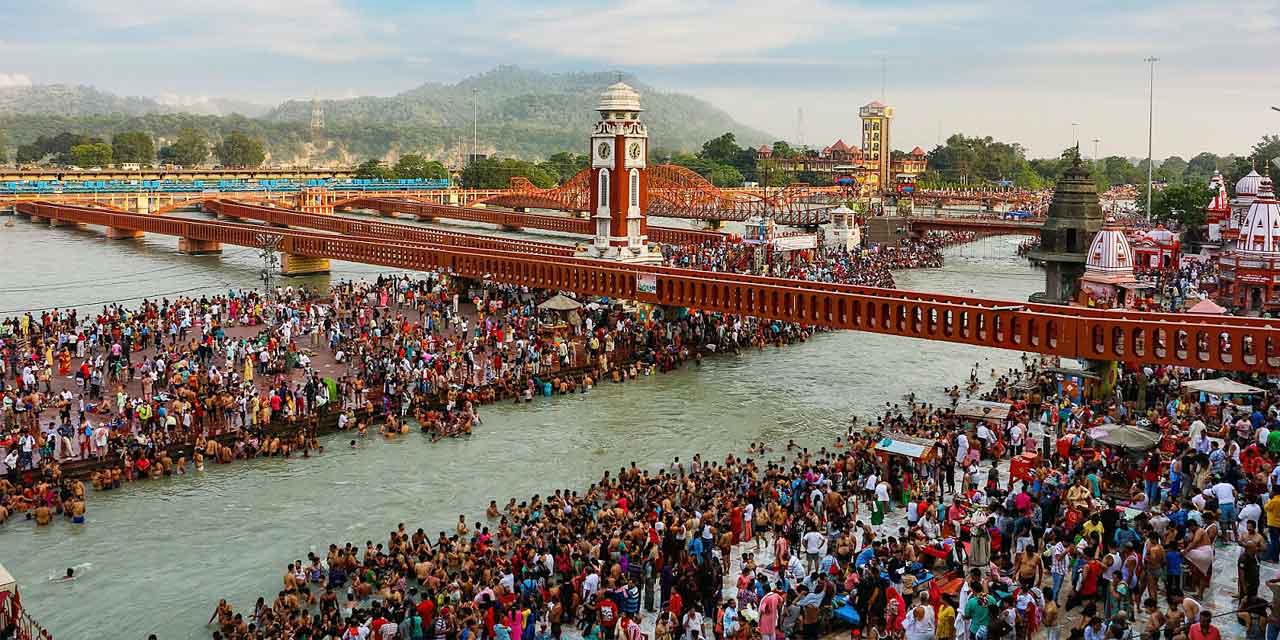
Har Ki Pauri, one of Haridwar’s most iconic and revered ghats, lies along the holy River Ganga in Uttarakhand, India. The name translates to “Steps of Lord Shiva/Vishnu” (“Har” means God, “Ki” means of, “Pauri” means steps). According to ancient beliefs, Lord Vishnu visited this sacred spot in the Vedic era, and his footprint is said to be enshrined at Brahmakund, the most sanctified section of Har Ki Pauri. As per Uttarakhand Tourism, Har Ki Pauri marks the point where the Ganga River leaves the mountains and enters the plains, making it spiritually significant for millions of devotees. Every day, thousands gather here to take a holy dip believed to cleanse sins. During Kumbh Mela, Ardh Kumbh, and festivals like Baisakhi, Har Ki Pauri becomes the epicenter of devotion, culture, and tradition.
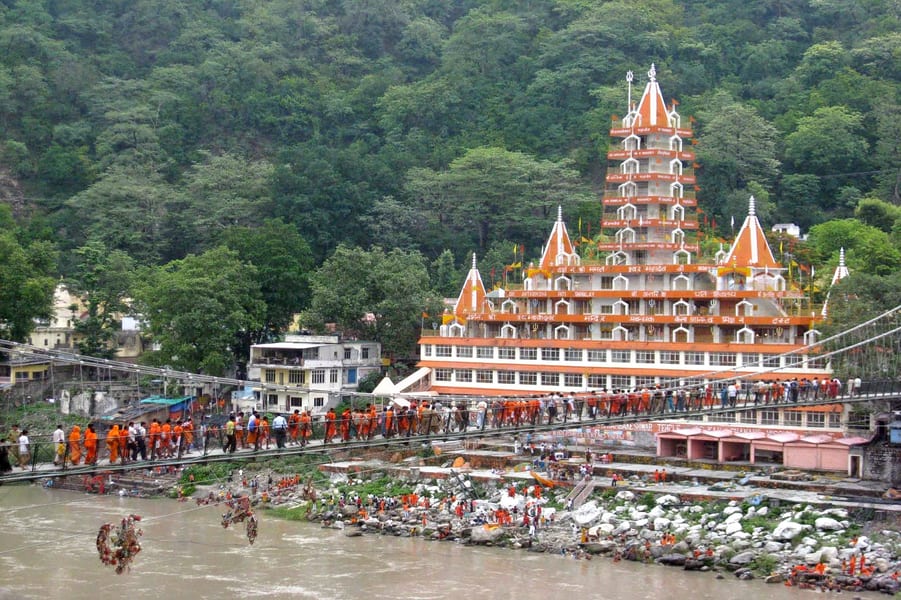
Neelkanth Mahadev Temple is one of the most revered temples dedicated to Lord Shiva in Uttarakhand. Located at a height of 1330 metres, around 32 km from Rishikesh, the shrine sits in the serene forests of the Pauri Garhwal district. The temple is surrounded by the majestic ranges of Manikoot, Brahmakoot, and Vishnukoot, and lies near the confluence of the Pankaja and Madhumati rivers, making it an exceptionally tranquil and spiritual destination. This temple is devoted to Lord Shiva’s form “Neelkanth”, meaning “The Blue-Throated One”, symbolizing the moment when Shiva consumed the deadly Halahala poison during the Samudra Manthan (churning of the cosmic ocean) to save the universe. It is one of the most visited Shiva temples in Uttarakhand, drawing pilgrims, trekkers, and spiritual seekers throughout the year.
.jpg)
The Shankaracharya Temple, also known as Jyeshteshwara Temple, is one of the most sacred Hindu shrines in Srinagar, Jammu & Kashmir. Perched atop the prominent Shankaracharya Hill (also called Takht e Sulaiman), part of the Zabarwan Range, the temple stands at approximately 300 meters (1,000 feet) above the valley floor. Dedicated to Lord Shiva, the temple offers breathtaking panoramic views of Srinagar City, the Dal Lake, and surrounding mountains. As per JKTDC, it is among the most significant religious sites in the Kashmir Valley, visited by pilgrims, historians, and travelers from across the world. The temple is considered one of the earliest Hindu shrines in the region and is an integral stop for devotees seeking blessings, peace, and spiritual awakening.
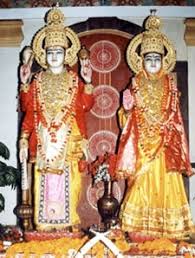
Birla Mandir, also known as the Laxminarayan Temple, is one of New Delhi’s most prominent and historic Hindu temples. Dedicated to Lord Laxminarayan (Lord Vishnu) and Goddess Lakshmi, the divine pair symbolizing preservation and prosperity, the temple stands as a spiritual landmark and a symbol of unity. The temple was constructed between 1933 and 1939 by renowned industrialist Baldeo Das Birla and his sons. It holds special historic significance as it was inaugurated by Mahatma Gandhi, who agreed to perform the ceremony on the condition that the temple remain open to people of all castes, emphasizing social equality. Spread across 7.5 acres, Birla Mandir features: • Beautifully landscaped gardens • Decorative fountains • Several shrines • A dedicated Geeta Bhavan for religious discourses Located on Mandir Marg, near Connaught Place, the temple attracts thousands of devotees and tourists, especially during Janmashtami and Diwali.
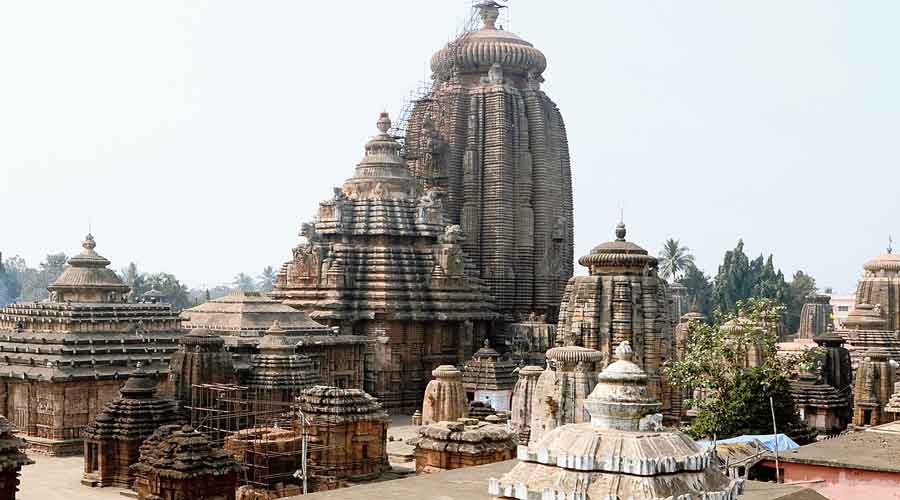
Lingaraj Temple, located in the historic city of Bhubaneswar, Odisha, is one of India’s most revered and ancient temples dedicated to Lord Shiva, worshipped here as Harihara—a combined form of Lord Shiva and Lord Vishnu. Considered the largest temple in Bhubaneswar, Lingaraj is the crown jewel of Odisha’s famous Golden Triangle tourism circuit, along with Konark and Puri. The temple complex is over 1,000 years old and is situated within the sacred landscape of Ekamra Kshetra, mentioned in ancient texts including the Brahma Purana. According to legend, the self manifested Lingaraj deity was discovered beneath a mango tree—“Ekamra”—giving this region its ancient name. Managed by the Temple Trust Board and protected by the Archaeological Survey of India (ASI), Lingaraj Temple attracts an average of 6,000 visitors daily and several lakh devotees during festivals like Mahashivaratri.