



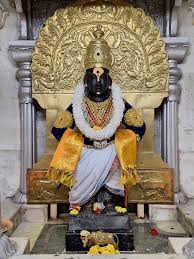
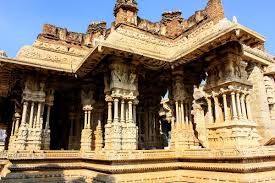
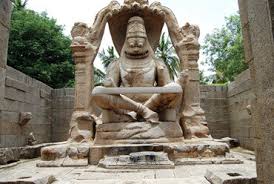
The Vittala Temple (also spelled Vitthala Temple) is one of the most magnificent and celebrated monuments in Hampi, Karnataka. Located on the banks of the Tungabhadra River, in the northeastern part of Hampi’s UNESCO World Heritage landscape, this temple is renowned for its stunning architecture, intricate carvings, musical pillars, and the world famous Stone Chariot. According to Karnataka Tourism, the Vittala Temple is considered the finest example of Hampi’s architectural brilliance, reflecting the artistic pinnacle of the Vijayanagara Empire. The temple is dedicated to Lord Vittala, a form of Lord Vishnu, and is often revered as the most elaborate temple in Hampi.
History
of Vittala Temple
Even
after the fall of Vijayanagara in 1565 CE, the temple remains a majestic
reminder of the empire’s cultural and architectural glory.
Architecture
of Vittala Temple
The
Pinnacle of South Indian Temple Design
The
Vittala Temple showcases the Dravidian style enriched by Vijayanagara
craftsmanship. The entire complex is massive, encircled by high walls and
accessed through three imposing gopurams (gateways).
Notable
Architectural Structures
Every
structure inside the complex is crafted from stone and displays exceptional
artistic finesse.
Main
Attractions of Vittala Temple
1. The
Maha Mantapa (Main Hall)
This
is the heart of the complex and is known for:
These
carved pillars form a spectacular rectangular court that highlights the
grandeur of Vijayanagara artistry.
2. The
Iconic Stone Chariot
The Stone
Chariot at Vittala Temple is one of India’s three most famous stone chariots
(others in Konark and Mahabalipuram).
Features:
The
Stone Chariot is a must-see highlight of any Hampi visit.
3. Musical
Pillars of the Ranga Mantapa
The
Ranga Mantapa contains 56 musical pillars, also known as the SAREGAMA pillars
because they emit musical notes when gently tapped.
Interesting
Facts:
These
pillars remain one of the greatest mysteries of ancient Indian engineering and
acoustics.
Present
Condition of the Temple
The
Vittala Temple stands in a partially ruined but majestic state. The main
sanctum no longer houses any idol. Several structures, including parts of the
Maha Mantapa, were damaged during invasions in 1565 CE.
To
preserve the monument:
At
night, the entire complex is floodlit, creating a breathtaking view of the
temple’s stonework against the starlit sky.
Deity
Lord
Vittala (a form of Vishnu)
Timings
Open
Daily – 8:30 AM to 5:00 PM
Festivals
How
to Reach Vittala Temple
Map
By
Air
By
Rail
By
Road
Nearby
Attractions
Virupaksha
Temple
One
of Hampi’s most sacred and oldest temples dedicated to Lord Shiva.
Sri
Krishna Temple
Part
of Hampi’s UNESCO World Heritage zone; built in 1513 by Krishnadevaraya.
Mahanavami
Dibba
A
grand stone platform inside the Royal Enclosure used for royal ceremonies.
Hazara
Rama Temple
Known
for its rich bas-reliefs depicting the Ramayana.
Pattabhirama
Temple
Another
large temple complex showcasing Vijayanagara artistry.
Lotus
Mahal
A
striking Indo-Islamic structure known for its petal-like domes.
Matanga
Hill