



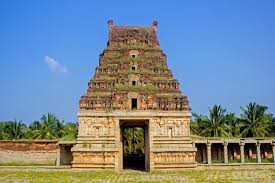
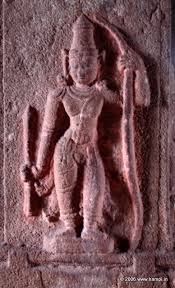
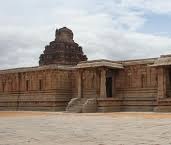
The Pattabhirama Temple, located in Kamalapura, approximately 6 km from the main Hampi heritage zone, is one of the most impressive yet lesser-visited monuments of the Vijayanagara Empire. Dedicated to Lord Rama, this sprawling temple complex showcases exceptional craftsmanship, intricate stonework, and architectural brilliance characteristic of Hampi’s golden period. Unlike more popular temples such as Virupaksha and Vittala, the Pattabhirama Temple stands in a quiet, isolated setting—offering visitors a peaceful, almost meditative experience amid the ruins. Its vast courtyards, pillared halls, and historical ambiance make it a perfect destination for heritage lovers, photographers, and those seeking to explore Hampi beyond the beaten path.
History
of Pattabhirama Temple
The
temple dates back to the Vijayanagara Empire, when it served as a major
place of worship. It was particularly significant during the reign of Achyuta
Raya. Historical records suggest that the township around the temple was
once called Varadadevi Ammana Pette, named after Queen Varadadevi of the
Tuluva dynasty.
Key
Historical Notes:
A
tall east-facing gopuram opens into a wide chariot street and a large
temple tank beyond it. Today, parts of this ancient street are used by local
farmers, though traces of the historical layout remain intact.
Architecture
of Pattabhirama Temple
A
Fine Example of Vijayanagara’s Grandeur and Geometry
The
temple sits within a large rectangular enclosure with four towers at
each corner and beautifully designed pillared cloisters lining the inner
compound walls.
Architectural
Highlights:
1.
Main Mantapa
2.
Kalyana Mantapa (Marriage Pavilion)
3.
Axial Mantapas
The
main temple has axial mantapas (pillared halls) built symmetrically along the
east-west layout.
4.
Gopuram
5.
Surrounding Shrines & Structures
The
Charm of Pattabhirama Temple
Though
no idol remains inside the sanctum today, the temple’s aura is undiminished.
Visitors are captivated by:
It’s
one of those Hampi gems that reward travelers who venture off the main circuit.
Deity
Lord
Rama
Temple
Timings
Open
Daily: 6:00 AM – 6:00 PM
Free entry; photography allowed.
Visitor
Guide
How
to Reach Pattabhirama Temple
Map
Though
isolated, the temple is easily accessible via Kamalapura:
By
Air
By
Rail
By
Road
Location
Tip
Just
500 m from the Archaeological Survey of India Museum, making it easy to combine
both sites in one visit.
Nearby
Attractions
1.
Virupaksha Temple (400 m from Hampi Bus Stand)
Oldest
functioning temple in Hampi dedicated to Lord Shiva.
2.
Sri Krishna Temple (500 m)
Built
in 1513 AD by Krishnadevaraya; part of UNESCO Group of Monuments.
3.
Mahanavami Dibba (3.5 km)
A
royal platform inside the Royal Enclosure, used for Dussehra celebrations.
4.
Hazara Rama Temple (3 km)
Known
for its extensive Ramayana carvings; once the royal family’s private shrine.
5.
Hemakuta Hill Temple Complex (600 m from Virupaksha)
A
collection of ancient temples with scenic views of Hampi Bazaar.
6.
Lakshmi Narasimha Statue (800 m)
Largest
monolithic statue in Hampi, depicting Ugra Narasimha.
Why
Pattabhirama Temple Should Be on Your Hampi Itinerary