




.jpg)
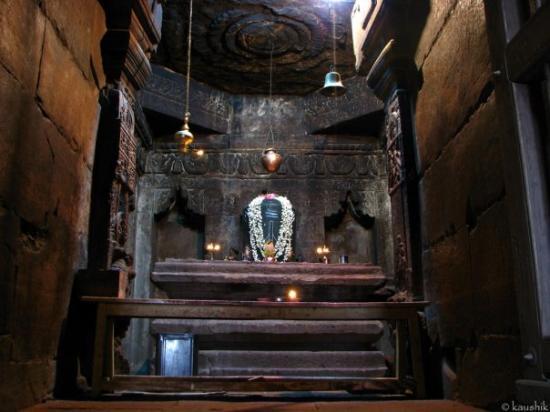
Virupaksha Temple, located in Hampi (Ballari district, Karnataka), is one of India’s oldest continuously functioning temples and a key highlight of the Hampi Group of Monuments, a UNESCO World Heritage Site. The temple is dedicated to Lord Virupaksha, an incarnation of Lord Shiva, and stands as the spiritual heart of Hampi—once the glorious capital of the Vijayanagara Empire. As per Karnataka Tourism, the temple is the oldest shrine in Hampi, dating back to the 7th century, and has been a center of uninterrupted worship for over 1,300 years. Surrounded by the dramatic boulder-strewn landscapes of Hampi and situated on the banks of the Tungabhadra River, it remains the most sacred pilgrimage site in the region. The temple is also associated with Goddess Pampa, a local form of Parvati, making Lord Virupaksha revered as Pampa pati (consort of Pampa). Hampi’s ancient mythological significance as Pampakshetra revolves around this divine couple.
History
of Virupaksha Temple
Ancient
Origins & Growth
Vijayanagara
Contributions
Major
expansions took place under the Vijayanagara kings, especially during
the medieval flowering of art and architecture:
Surviving
Cultural Symbol
Despite
the destruction of Hampi in 1565 CE after the Battle of Talikota, the
Virupaksha Temple miraculously survived. Worship continued without
interruption, making it the only living temple in the Hampi ruins.
Renovations
in the 19th century preserved its architectural grandeur, including the
repainting of murals and restoration of the gopurams.
Architecture
of Virupaksha Temple
A
Masterpiece of Dravidian Style Integrated With Vijayanagara Art
Virupaksha
Temple represents the finest Dravidian architecture with influences from
Chalukyan, Hoysala, and Vijayanagara styles.
Key
Architectural Elements
Central
Complex
The
main complex includes:
The
temple corridors display murals from the Vijayanagara era, portraying
mythological episodes and royal processions.
The
Unique Three‑Headed Nandi
Outside
the temple stands a rare three‑headed Nandi, believed to represent the
trinity—Brahma, Vishnu, and Shiva. This is considered one of the
shrine’s most distinctive features.
Religious
Significance
The
Virupaksha Temple is the spiritual nucleus of Hampi. Worship of Lord Virupaksha
and Goddess Pampa has continued for centuries:
Hampi
is also believed to be Kishkindha, the mythological land of Lord Hanuman
in the Ramayana.
Daily
Temple Timings
Open
Daily
Devotees
can attend morning and evening pujas, accompanied by Nadaswaram music, bells,
and lamps.
Festivals
Celebrated
How
to Reach Virupaksha Temple
Map
By
Air
By
Rail
By
Road
Nearby
Attractions
1.
Vijaya Vittala Temple (0.2 km)
Famous
for its Stone Chariot, musical pillars, and magnificent Dravidian
structures.
2.
Lotus Mahal
Lotus-shaped
Indo‑Islamic architectural gem inside the Zenana enclosure.
3.
Purandaradasa Mantapa
Located
along the riverbank, associated with Saint Purandaradasa.
4.
Matanga Hill (1.1 km)
A
popular sunrise and sunset viewpoint offering panoramic views of Hampi.
Contact
Information
Phone: +91
9482006390, +91 8394241241
Email: hampi@karnatakaholidays.net
Address: River Road, Hampi, Vijayapura, Karnataka – 583239
Official Website:
https://karnatakatourism.org/en/attractions/virupaksha-temple