



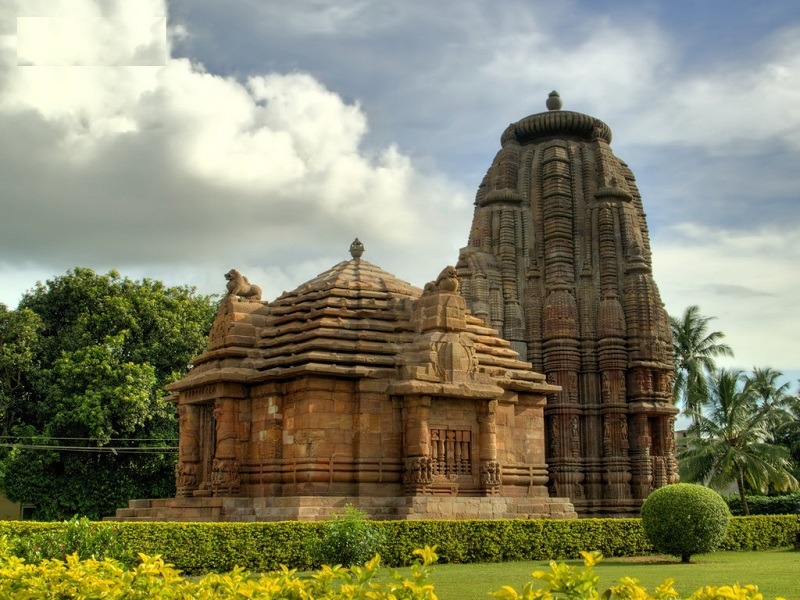
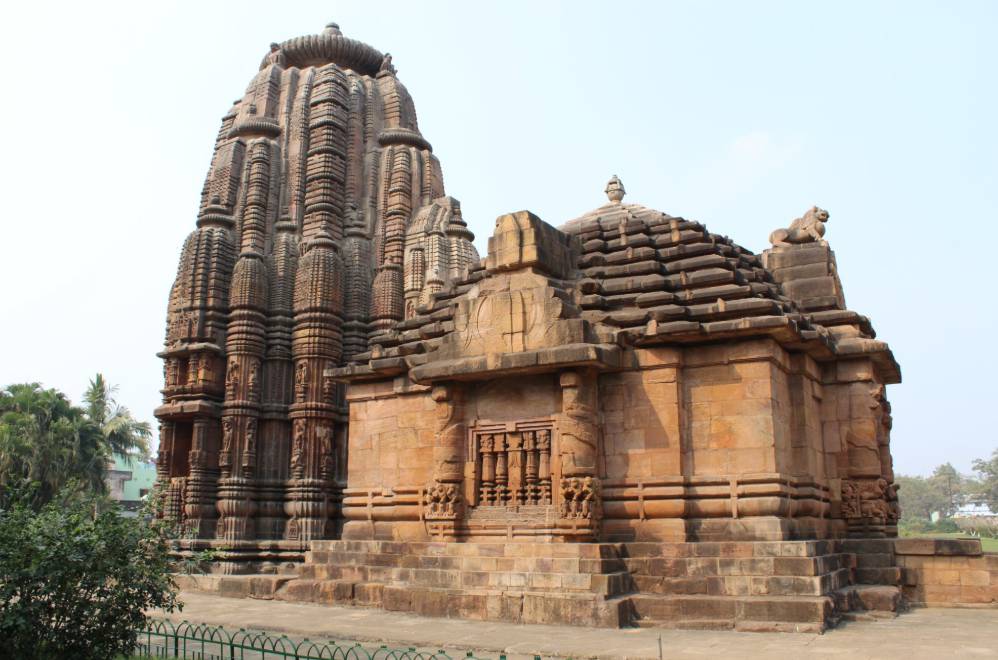
The Rajarani Temple in Bhubaneswar, Odisha, is one of the most remarkable examples of 11th-century temple architecture in eastern India. This historic monument stands out for its elegant design, intricate sculptures, and unique identity, making it a must-visit attraction in the “Temple City of India.” Unlike most temples, the Rajarani Temple does not house a presiding deity, which makes it unusual in comparison to other Hindu shrines. Because of this, it is considered a non-sectarian monument open to all visitors, regardless of religious beliefs. The temple derives its name from the reddish and yellow sandstone (locally called ‘Rajarani’ stone) used in its construction, adding to its distinctive charm and aesthetic appeal.
🏛️ Historical Background
The Rajarani Temple is believed to have
been constructed during the 11th century, possibly under the Somavamsi
dynasty, a period known for the flourishing of temple architecture in
Odisha.
Key historical highlights:
Today, the temple is maintained by the Archaeological
Survey of India (ASI) and is a protected heritage monument, with entry
requiring a ticket.
🧱 Architecture of Rajarani Temple
🏗️ Kalinga Style Architecture
The Rajarani Temple is a fine example of
Kalinga (Odishan) temple architecture, characterized by its symmetry,
decorative richness, and structural harmony.
🔹 Structural Layout
The temple follows the traditional
layout of Odisha temples:
Later Odishan temples added more mandapas, but Rajarani retains a simpler yet refined structure.
🏯 Vimana (Sanctum Tower)
The tower stands on a high platform with a five-fold division (Pancha Anga Bada), showcasing advanced construction techniques of the time.
🧑🎨 Sculptures & Artistic Features
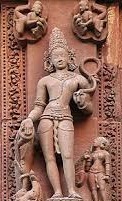
The Rajarani Temple is particularly
famous for its exquisite sculptures and decorative motifs, which are
considered richer and more refined than earlier temples.
🎨 Key Artistic Highlights:
🪨 Ornamentation:
These carvings provide insight into artistic
excellence and cultural life of medieval Odisha.
🛐 Religious Significance
Although the sanctum does not contain a
deity, the temple displays strong Shaivite influences:
Historians believe the temple was
originally dedicated to Lord Shiva, though it is now treated primarily
as a heritage monument rather than an active place of worship.
🕰️ Visiting Hours
🎉 Rajarani Music Festival
One of the major attractions associated
with the temple is the Rajarani Music Festival, held every year in January.
🎶 Festival Highlights:
This event adds cultural vibrancy and
enhances the temple’s tourism appeal.
🚗 How to Reach Rajarani Temple
 Map
Map
✈️ By Air
🚆 By Train
🚌 By Road
Local taxis, autos, and buses are easily
available.
📞 Contact Details
🌄 Nearby Attractions
These sites together make Bhubaneswar a
major heritage tourism hub.
⭐ Why Visit Rajarani Temple?