
Thillai Nataraja Temple, Chidambaram, Cuddalore, Tamil Nadu

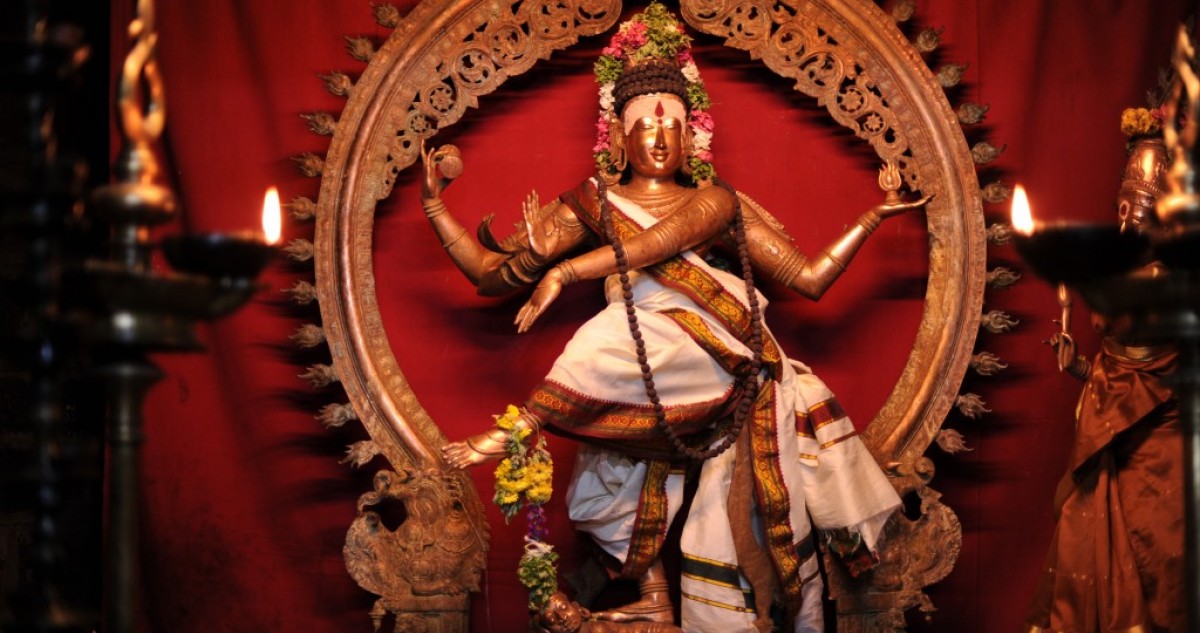
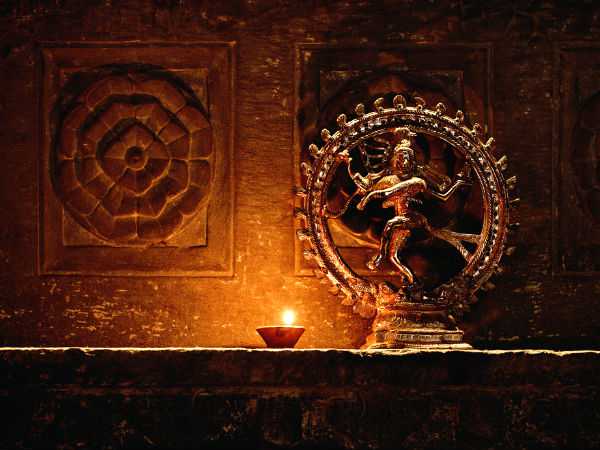
Thillai Nataraja Temple, also known as Chidambaram Nataraja Temple, is one of India’s most ancient and spiritually significant temples dedicated to Lord Shiva, worshipped here as Nataraja – The Lord of Cosmic Dance. Located in Chidambaram, Cuddalore district, Tamil Nadu, this temple is a living embodiment of art, spirituality, philosophy, and cosmic symbolism. The term Chidambaram translates to “Chit + Ambaram” meaning the sky of consciousness. It signifies the spiritual space where the soul dissolves into divine wisdom. The temple also represents the eternal dance of creation and dissolution, a core concept in Shaivism. One of the most unique features of the temple is the Chidambara Rahasyam, a mystical representation of Shiva as the formless, infinite space element (Akasha) behind the curtain in the sanctum—symbolizing the invisible and transcendental nature of God. Key Highlights (i) One of the Pancha Bhoota Sthalams, representing Akasha (space) (ii) Temple walls feature 108 Karanas from Bharata Muni’s Natya Shastra (foundation of Bharatanatyam) (iii) A rare temple where Shiva is worshipped in anthropomorphic form as Nataraja, not as a traditional Lingam (iv) A sacred space embracing Shaivism, Shaktism, Vaishnavism, and Vedic philosophy (v) One of the oldest continuously functioning temple complexes in South India


 +91 9443635280


History of Thillai Nataraja Temple

The temple’s history spans over 2,000 years, with references found in Sangam literature, Puranas, and inscriptions.

Ancient Origins

  • The site was originally a Thillai forest, home to Thillai trees (Exocoeria agallocha).
  • Shiva is mentioned as the dancing deity of Tillai in 6th–7th century hymns by Appar and Sambandar.
  • The temple evolved during the early Chola period, becoming the capital and spiritual center of their empire.

Chola Contributions

  • Major expansions under Aditya Chola I and Parantaka Chola I (950 CE), who covered the sanctum with gold.
  • The Cholas considered Lord Nataraja their family deity (Kula Nayaka).
  • Raja Raja Chola I recovered Tevaram hymns from the temple’s chamber
  • Kulothunga Chola I and successors built gopurams, halls, and shrines seen today.

Pandya, Vijayanagara & Nayak Influence

  • Temple expanded and protected by Pandyas (13th century), who added the towering eastern gopuram.
  • The Vijayanagara Empire repaired and rebuilt parts damaged during invasions.
  • The Nayak rulers renovated mandapams, frescoes, and gopurams (17th century).

Invasions & Restoration

The temple was plundered during:

  • Khilji’s invasion (1311 CE) led by Malik Kafur
  • Madurai Sultanate incursions
  • Colonial conflicts (Portuguese, French, British)

Despite destruction, the temple survived due to:

  • Devotees safeguarding idols underground
  • Missives in Agama texts instructing preservation methods
  • Extensive restoration by later Hindu dynasties

Today, the temple stands as a symbol of Tamil heritage, art, and resilience.


Architecture of Thillai Nataraja Temple

The temple spans 40 acres, making it one of the largest temple complexes in India.

Architectural Style

  • Primarily Dravidian architecture
  • Certain sanctum elements reflect the Kerala/Tamil Malabar style
  • The golden Kanaka Sabha roof represents the Vesara style

Key Structures

  • 9 Gopurams – massive, intricately carved towers
  • Four Prakaras – courtyards with high walls
  • Sacred Sivaganga Tank
  • Two Sabha Halls:
    • Chit Sabha – houses the iconic Nataraja
    • Kanaka Sabha – used for special rituals
  • 100-Pillar & 1000-Pillar Halls – with detailed carvings of saints, dancers, gods, and mythological scenes
  • Nritta Sabha – hall commemorating Shiva’s dance duel with Goddess Kali
  • Shrines for Devi Shivakamasundari, Subrahmanya, Ganesha, Vishnu, Surya

Shrines Inside the Complex

Shaivism

  • Chit Sabha – Nataraja in Ananda Tandava
  • Chidambara Rahasyam – representation of Shiva as formless consciousness
  • Akasha Lingam – symbolic empty space
  • Spatika (Crystal) Lingam

Shaktism

  • Shivakamasundari Shrine – Parvati as consort of Nataraja
  • Features vivid paintings and sculptures from the Vijayanagara era

Vaishnavism

  • Shrine dedicated to Govindaraja Perumal, representing Vishnu, a unique feature in a Shaiva temple

Other Deities

  • Ganesha
  • Murugan
  • Chandikeswarar
  • Bhairava
  • Nandi
  • Surya with Chariot Wheels

Temple Tanks

Sivaganga Tank

  • Located near the northern gopuram
  • Most sacred water body of Chidambaram

Paramananda Koobham

  • Sacred well used for ritual purposes

Daily Pooja Timings

Morning Timings

  • Temple Opening: 6:00 AM
  • 6:30 AM – Paal Nivedhyam
  • 7:00 AM – Maha Aarthi
  • 7:45–9:00 AM – Kalasandhi Pooja
  • 10:00–11:00 AM – Irandaam Kaalam
  • 11:30–12:00 PM – Uchikaalam, temple closes

Evening Timings

  • 5:00 PM – Temple reopens
  • 5:15–6:00 PM – Saayaratchai
  • 7:00–8:00 PM – Irandaam Kaalam with Chidambara Rahasyam Pooja
  • 9:00–10:00 PM – Ardha Jaamam Pooja & temple closing rituals

Major Festivals

A full year for humans is considered one day for the Devas. Accordingly, six major abhishekams are performed annually.

Important Annual Festivals

1.  Margazhi Thiruvaadhirai (Dec–Jan) – Most important

2.  Masi Chaturdasi (Feb–Mar)

3.  Chittirai Thiruvonam (Apr–May)

4.  Aani Thirumanjanam (Jun–Jul) – Major festival

5.  Aavani Chaturdasi (Aug–Sep)

6.  Purattasi Chaturdasi (Oct–Nov)

During major festivals, Nataraja is taken in procession in grand temple vehicles with elaborate rituals.


Visitor Information

Map


How to Reach Chidambaram

  • By Air:
    • Trichy Airport – 195 km
    • Chennai Airport – 235 km
  • By Rail:
    • Direct trains to Chidambaram from major Tamil Nadu cities
  • By Road:
    • Frequent buses from Tamil Nadu, AP, and Karnataka
    • Scenic East Coast Road (ECR) route from Chennai

Local Transport

  • Auto-rickshaws are the easiest mode within the town

Nearby Temples & Attractions

1. Thillai Kali Amman Temple

Goddess Kali worshipped in her fierce form; linked to the dance duel legend.

2. Chathapuram Nathar Temple

A Shiva temple believed to possess miraculous spiritual vibrations.

3. Thiruvetkalam Temple

Site where Arjuna received the Pashupatastra; Lord Shiva as Pasupateswara.

4. Tirunelvayil Temple

Historic Shiva temple where Lord Uchinathar is worshipped.

5. Achalpuram Temple

Shiva Linga entwined by a golden serpent; 25 km from Chidambaram.


Contact Information

Phone: +91 9443635280
Email: contact@chidambaramnataraja.org

Address:
Thillai Nataraja Temple
East Car Street, Chidambaram
Cuddalore District – 608001
Tamil Nadu, India

Official Website:
http://www.chidambaramnataraja.org