



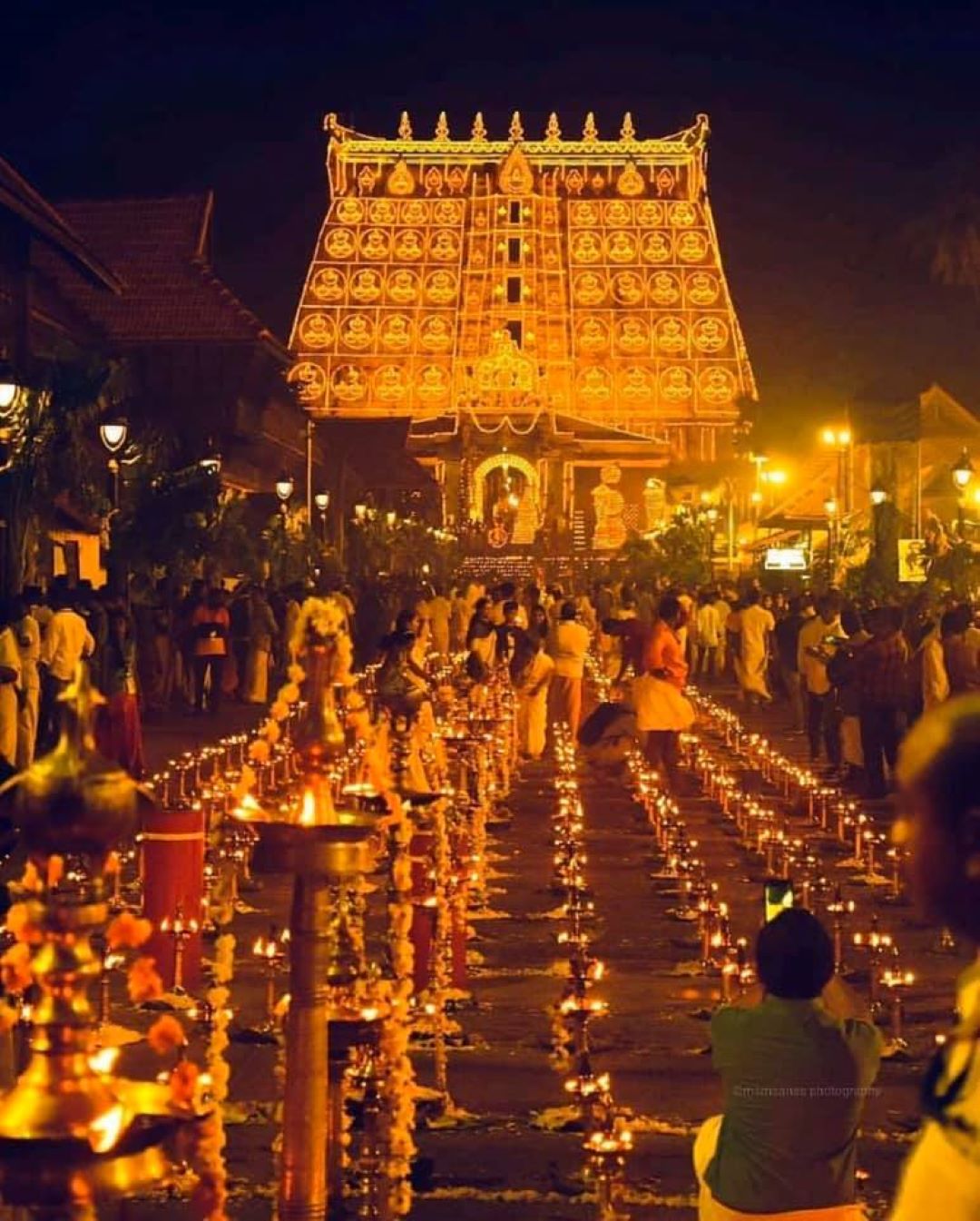
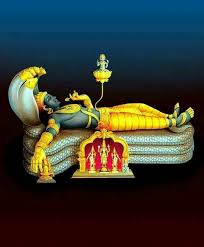
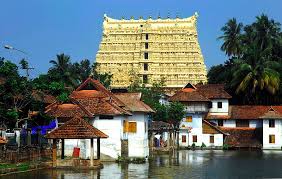
The Sree Padmanabhaswamy Temple, located in the heart of Thiruvananthapuram, Kerala, is one of the most prominent Vishnu temples in India. The city itself derives its name from the deity—Thiru Anantha Puram meaning “The City of Lord Ananta”, referring to Lord Vishnu reclining on the sacred serpent Adi Shesha. The temple is a sublime blend of Cheran and Dravidian architectural styles, known for its towering seven tier gopuram, intricate stone carvings, and gold plated sanctum structures. Dedicated to Lord Padmanabha (Lord Vishnu) in the Anantha Shayana pose—reclining on the serpent—this temple is revered as one of the 108 Divya Desams in Vaishnavism. The temple is historically linked to the Travancore Royal Family, who continue to serve as the temple’s traditional custodians. The current trustee is H.H. Moolam Thirunal Rama Varma, the titular Maharaja of Travancore. The sanctity, heritage, architecture, and treasures discovered within the temple vaults have made it one of the most celebrated temples in the world.
Historical
Significance
The
origins of Sree Padmanabhaswamy Temple trace back to antiquity, with references
found in the Puranas, Epics, and ancient palm‑leaf manuscripts.
According
to traditions preserved on the official website:
Many
scholars believe the temple has existed for more than 5,000 years, and the
current structure has grown under royal patronage for centuries.
The Ananthapura
Lake Temple in Kasaragod is regarded as the Moolasthanam (original seat) of
Sree Padmanabha Swamy.
Temple
Architecture
The
temple is a magnificent showcase of Kerala Dravidian temple artistry.
Major
Architectural Features
Key
Structures Inside the Temple
Gopuram
& Sreebalippura
The
grand gopuram and the 365.25‑pillar Sreebalippura corridor (one for each day of
a solar year) testify to the architectural brilliance of Vishwakarma Sthapathis.
Padmatheertham
One
of Thiruvananthapuram’s oldest and holiest water bodies, located adjacent to
the temple.
Ananthasayanam
Idol – A Unique Marvel
The
deity is an extraordinary composite idol made through the Katu‑Sarkara Yogam
technique.
This
makes the temple a Maha Kshetram, holding the potency of thousands of sacred
temples combined.
Presence
of Lord Shiva
The
official website mentions that Lord Shiva’s presence enhances the sanctity of
this Maha Vishnu temple. Shiva shrines and symbols appear in several places
within the complex, highlighting the temple’s harmonious worship tradition.
Religious
Activities & Daily Rituals
Temple
Timings
Morning
Hours
Evening
Hours
Daily
rituals include:
Major
Festivals Celebrated
The
temple hosts several grand festivals throughout the year, including:
Dress
Code (Strictly Enforced)
Visitor
Information
Map
Nearest
Railway Station
Nearest
Airport
Nearby
Temples & Tourist Attractions
1.
Pazhavangadi Ganapathy Temple
Located
near East Fort, just a short walk from Padmanabhaswamy Temple.
2.
Attukal Bhagavathy Temple
Popularly
known as the “Women’s Sabarimala,” located 3–4 km away.
3.
Padmanabhapuram Palace
A
historic Travancore-era palace owned by the Kerala Government, located in Tamil
Nadu.
Contact
Information
Phone:
0471 2450233 | 9387259877 | 0471 2464606
Email:
mathilakamofficespst@gmail.com
eospsttvpm@gmail.com
Address:
Sree Padmanabhaswamy Temple Fort,
Thiruvananthapuram – 695023, Kerala, India