
Kalighat Kali Temple, Kolkata, West Bengal

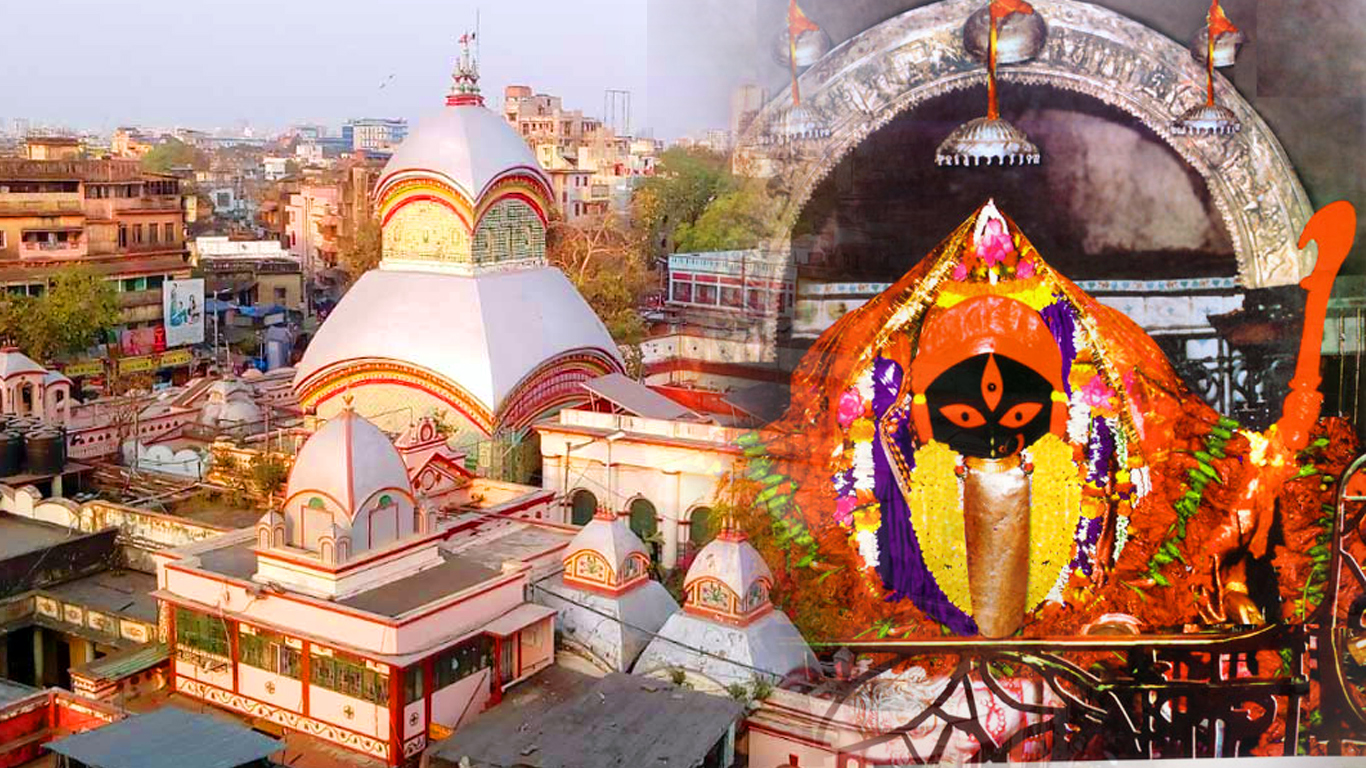
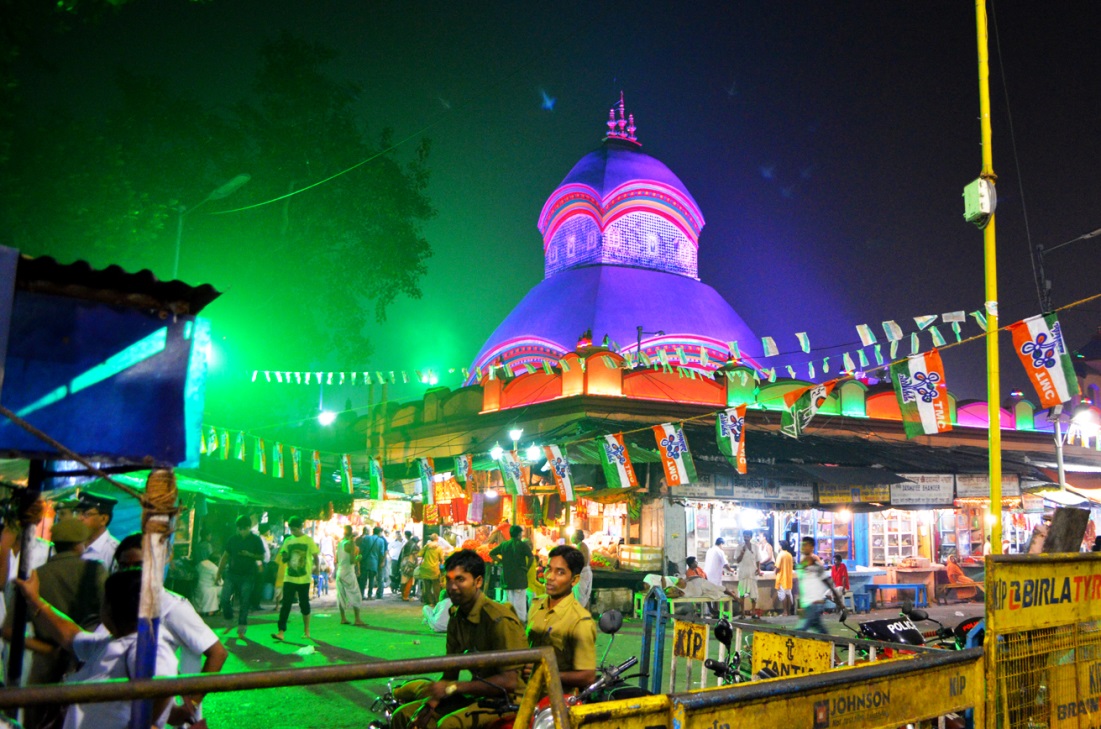
Kalighat Kali Temple, located in South Kolkata, West Bengal, is one of the most revered shrines dedicated to Goddess Kali and one of the 51 Shakti Peethas in the Indian subcontinent. According to legend, the right toe of Goddess Sati fell here, sanctifying this site as Kalikshetra. Once situated on the banks of the ancient channel of the Hooghly River (Bhagirathi), Kalighat derived its name from the sacred Adi Ganga, the original course of the river. Over time, the river shifted, but the temple’s spiritual significance has only grown stronger. Kalighat is not only a pilgrimage destination—it is the beating heart of Kolkata’s cultural and religious identity. The very name “Kolkata” is believed to have evolved from Kalikata, derived from the temple’s ancient association. Today, devotees from across the world visit this iconic temple to receive blessings from Maa Kalika, the fierce yet compassionate form of Shakti.


Historical Background

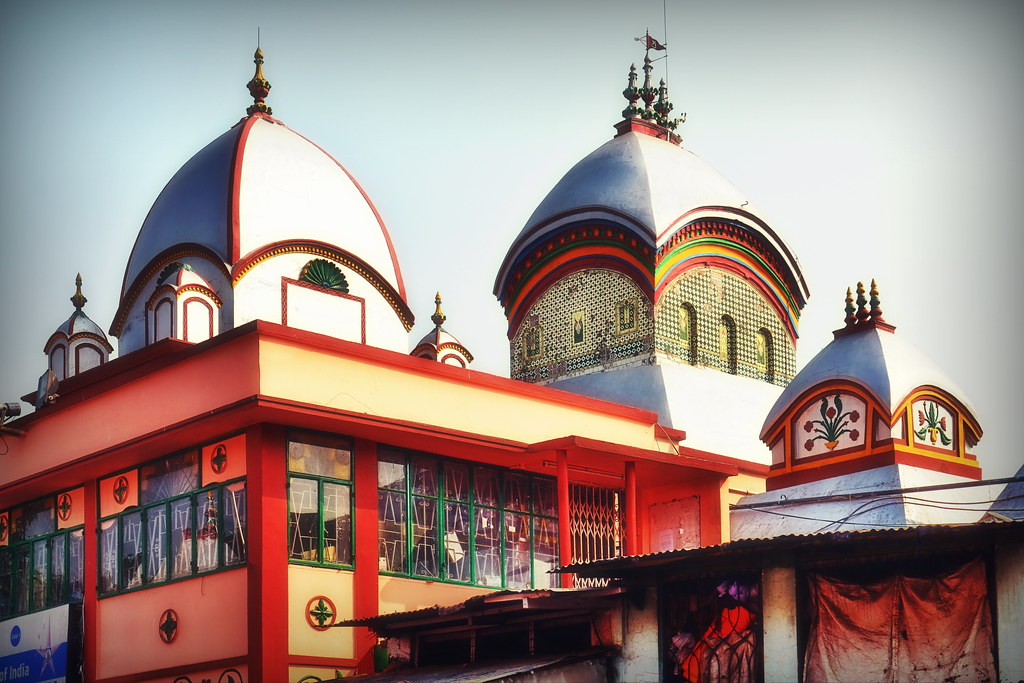
Although Kalighat is mentioned in 15th and 17th‑century texts like Mansar Bhasan and Kavi Kankan Chandi, the present temple structure is around 200 years old, completed in 1809 under the patronage of the Sabarna Roy Chowdhury family.

Evidence of Antiquity

  • Gupta‑era coins of Chandragupta II have been discovered near the temple site.
  • Ancient references and archaeological findings affirm Kalighat’s importance through centuries of pilgrimage.

The temple’s idol was crafted by two renowned ascetics—Atmaram Brahmachari and Brahmananda Giri—making it distinctly different from traditional Bengali Kali images.


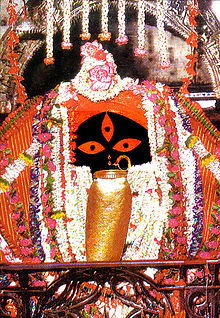
Unique Features of the Kalighat Goddess

The idol of Maa Kali at Kalighat is unlike any other form in Bengal:

  • Made of black stone (Kasuati Pathar)
  • Three large, expressive eyes
  • A long gold tongue (Suvarna Jihva)
  • Four golden hands holding:
    • A scimitar (symbolizing divine knowledge)
    • The severed head of Shumbha (symbolizing destruction of ego)
    • Two hands in Abhaya and Varada Mudras, granting protection and blessings

This divine form symbolizes the victory of wisdom over ignorance and the compassionate nature of the Mother.


Important Structures in the Temple Complex

Shoshti Tala (Monosha Tala)

  • A sacred open-air altar built in 1880 by Gobinda Das Mondal
  • Represents Goddess Shashthi, Shitala, and Mangal Chandi using three ancient stones
  • All rituals here are performed exclusively by female priests

Natmandir

  • A large mandap built in 1835 by Zamindar Kasinath Roy
  • Used for viewing the deity during rituals
  • Renovated multiple times

Jor Bangla

  • The verandah facing the main idol
  • Allows devotees to observe rituals inside the sanctum

Harkath Tala

  • The designated space for animal sacrifice, historically part of temple rituals

Shyama-Raya (Radha-Krishna) Temple

  • Constructed in 1843, near the main temple
  • Houses idols of Radha and Krishna
  • Offers vegetarian bhog
  • Includes Dolmancha built in 1858

Kundupukur (Temple Tank)

  • Sacred tank located southeast of the temple
  • Site where Sati’s right toe was believed to have been discovered
  • Bathing here is believed to bless childless couples
  • Water considered as sacred as the Ganga
  • Possible ancient link to the Adi Ganga river

Deity

Maa Kali (Kalika Mata) Worshipped in her fierce and compassionate form.


Temple Timings

(Open All Days)

Morning: 5:00 AM – 2:00 PM
Evening: 5:00 PM – 10:30 PM

The temple has strict security systems at all entry and exit points.


Visitor Guide

Map


By Air

  • Netaji Subhas Chandra Bose International Airport (NSCBI), Kolkata
  • Well connected to major Indian and international cities

By Rail

  • Howrah Junction and Sealdah Railway Station
  • Connected to every major Indian city

By Road

  • Several state‑run and private bus services connect Kolkata to:
    • Sundarbans
    • Puri
    • Konark
    • Darjeeling
  • The city has excellent taxi, bus, and metro connectivity

Nearby Temples in Kolkata

Birla Mandir

  • Modern white marble temple with intricate carvings
  • Dedicated to Lord Krishna and Radha

Chinese Kali Mandir

  • A unique Kali shrine run by Chinese-origin priests
  • Chinese offerings (including noodles) are given as prasad

Dakshineswar Kali Temple

  • 19th-century Navaratna-style temple built by Rani Rashmoni
  • Dedicated to Bhavatarini Kali

Lake Kalibari

  • Dedicated to Goddess Karunamoyee (aspect of Kali)

Agni Mandir

  • Parsi Fire Temple built in 1912
  • Houses an eternal flame (not open to public)

Belur Math

  • Headquarters of Ramakrishna Mission
  • Architectural fusion of Hindu, Islamic & Christian elements

Calcutta Jain Temple (Pareshnath Temple)

  • Built in 1867; renowned for stained glass work and eternal flame

Nearby Tourist Attractions

Victoria Memorial Hall

A grand white marble monument (1906–1921), now a museum honoring Queen Victoria.

Mother House

The global headquarters of Missionaries of Charity, founded by Mother Teresa.


Contact Information

Phone:

Tourism Centre: 033-2243 6440

Toll Free No: 1800-2121-655

90733 86803, 90733 86804, 90733 27315


Email:
wbtourismpublicity1@gmail.com

Address:
Kalighat Kali Temple
Kalighat, Kolkata – West Bengal, India

Official Website:
https://wbtourism.gov.in/Religious%20Tourism/details?template_id=1&id=63d800a0e4bbd858c20633ab