



.jpg)
Nag Panchami is a traditional Hindu festival dedicated to the worship of serpent deities (Nagas). It is celebrated on the fifth day (Panchami) of Shukla Paksha in the holy month of Shravana (July–August). The festival highlights the deep spiritual reverence for snakes in Hindu culture, symbolizing fertility, protection, and prosperity.
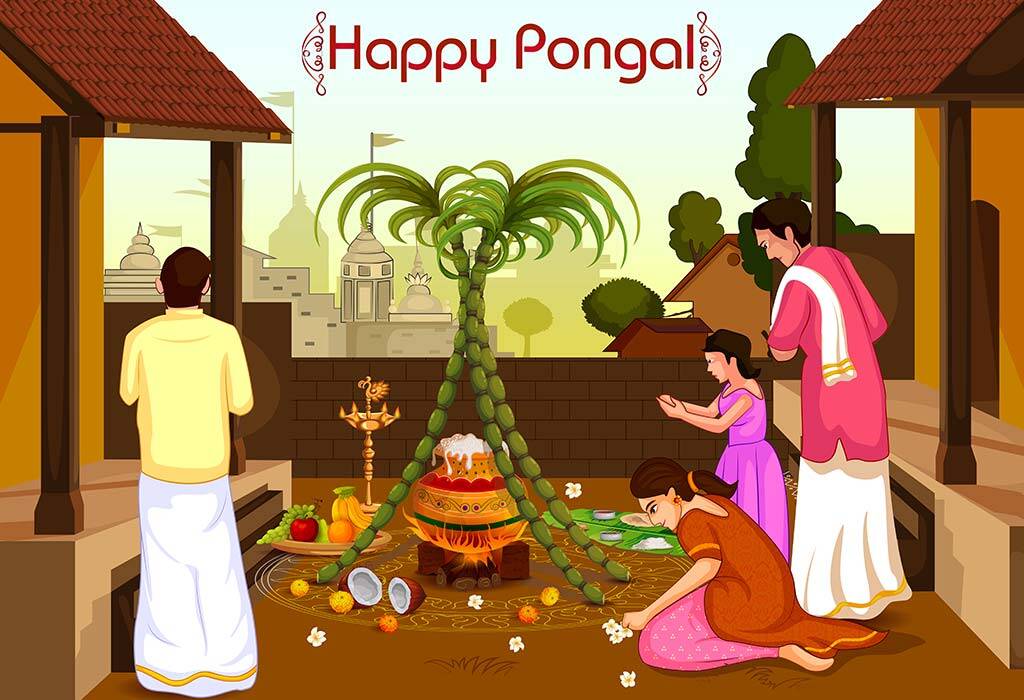
Pongal is one of South India’s most important harvest festivals, especially celebrated in Tamil Nadu. This four day festival marks the beginning of Uttarayan, the sun’s northward journey, and is observed every year in mid January. Pongal is a thanksgiving celebration dedicated to nature — especially the Sun God, farmlands, cattle, and agricultural abundance. The word “Pongal” translates to “to boil over”, referring to the traditional ritual of cooking newly harvested rice in a clay pot until it overflows. The overflowing symbolizes prosperity, abundance, and the welcoming of a new agricultural cycle. Historically, Pongal has roots in the Sangam era (around 200 BCE). While originally a Dravidian harvest festival, references to Pongal can also be found in Sanskrit scriptures. Historians link the festival with ancient traditions like Thai Un and Thai Niradal.
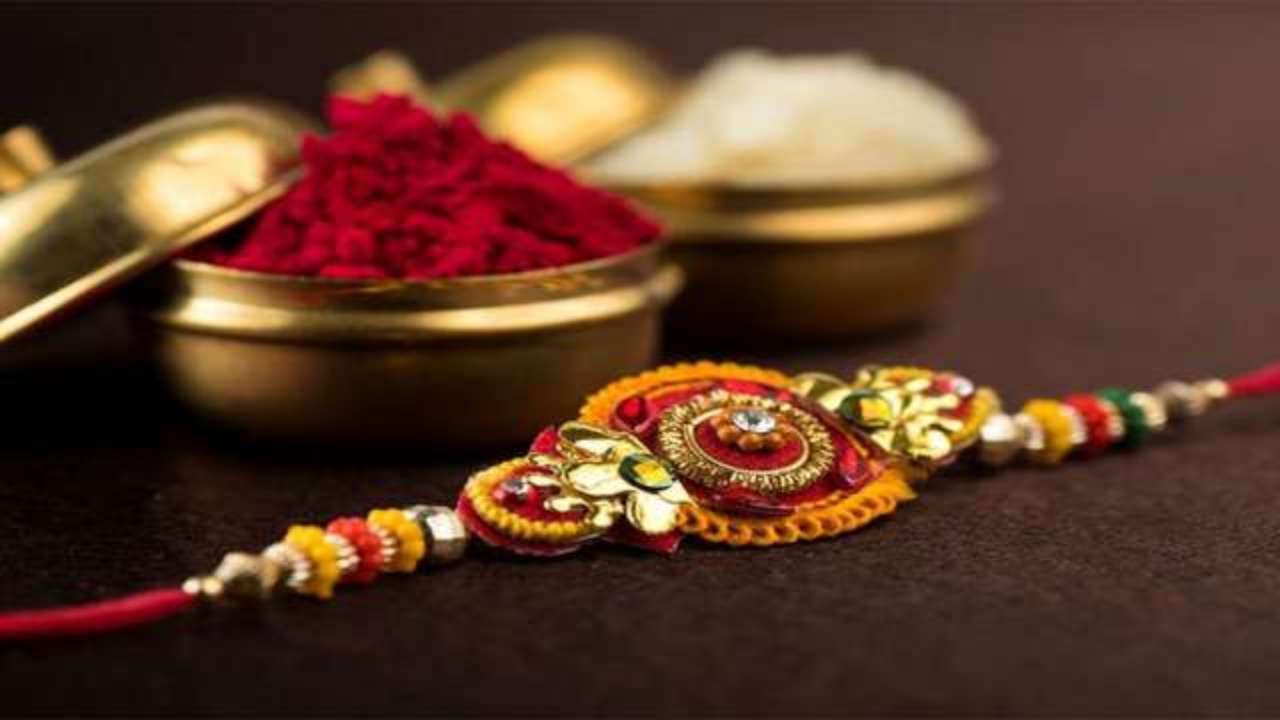
Raksha Bandhan, popularly known as Rakhi, is a cherished Hindu festival that celebrates the sacred bond between brothers and sisters. The word “Raksha” means protection, and “Bandhan” means bond, symbolizing the promise siblings share to protect, support, and care for each other throughout life. Observed on the full moon day (Purnima) of the Hindu month of Shravana (August), Raksha Bandhan is a heartfelt celebration of love, trust, and lifelong emotional connection. The origins of Rakhi are rooted in Hindu belief. One well known story from the Mahabharata describes how Draupadi tore a piece of her sari to bandage Lord Krishna’s bleeding wrist. Touched by her devotion, Krishna vowed to protect her always — a spiritual foundation for the festival of Rakhi.
Ram Navami is a major Hindu festival celebrated on the ninth day (Navami) of Chaitra Shukla Paksha, marking the birth of Lord Rama, the seventh incarnation of Lord Vishnu. It falls on the final day of Chaitra Navratri, making it both a devotional and spiritually significant occasion. According to Hindu scriptures, Lord Rama was born in Ayodhya to King Dasharatha and Queen Kausalya at noon on this auspicious day. The festival honors Lord Rama’s arrival on Earth during the Treta Yuga, and His life and values are celebrated across India and many countries with deep devotion.
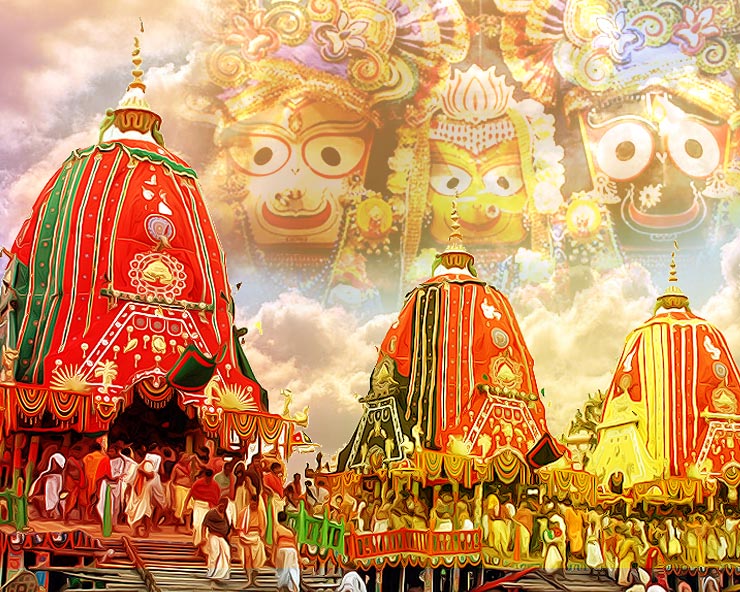
Rath Yatra, also known as Jagannath Rath Yatra, is one of India’s most revered and ancient chariot festivals. It is celebrated annually in Puri, Odisha, at the sacred Jagannath Temple, and is believed to be one of the oldest Rath Yatras in the world. On this auspicious day, the deities Lord Jagannath, Goddess Subhadra, and Lord Balabhadra are ceremoniously placed on grand, beautifully decorated chariots and pulled by thousands of devotees along a 3 kilometer route from Jagannath Temple to Gundicha Temple. Another historic celebration is the Mahesh Rath Yatra in West Bengal’s Serampore, considered the second oldest chariot festival in India, celebrated since 1396.
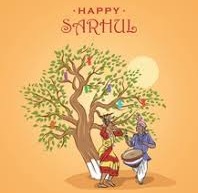
Sarhul is one of the most important tribal festivals celebrated in Jharkhand, particularly among the Munda, Oraon, and Ho communities. Observed during the spring season, Sarhul marks the arrival of new blossoms on the Sal (Saal) trees, symbolizing renewal, fertility, and gratitude toward nature. The festival is a tribute to the village deity, believed to be the guardian and protector of the tribal community. As the first flowers bloom, people break into traditional songs and dances, offering Sal flowers to honor the divine spirit of nature. The roots of Sarhul are believed to go back to ancient times, with some tales tracing its origin to the Mahabharata era. Traditionally, the festival is held as a spring thanksgiving ritual, expressing devotion to the guardian deity of the village.
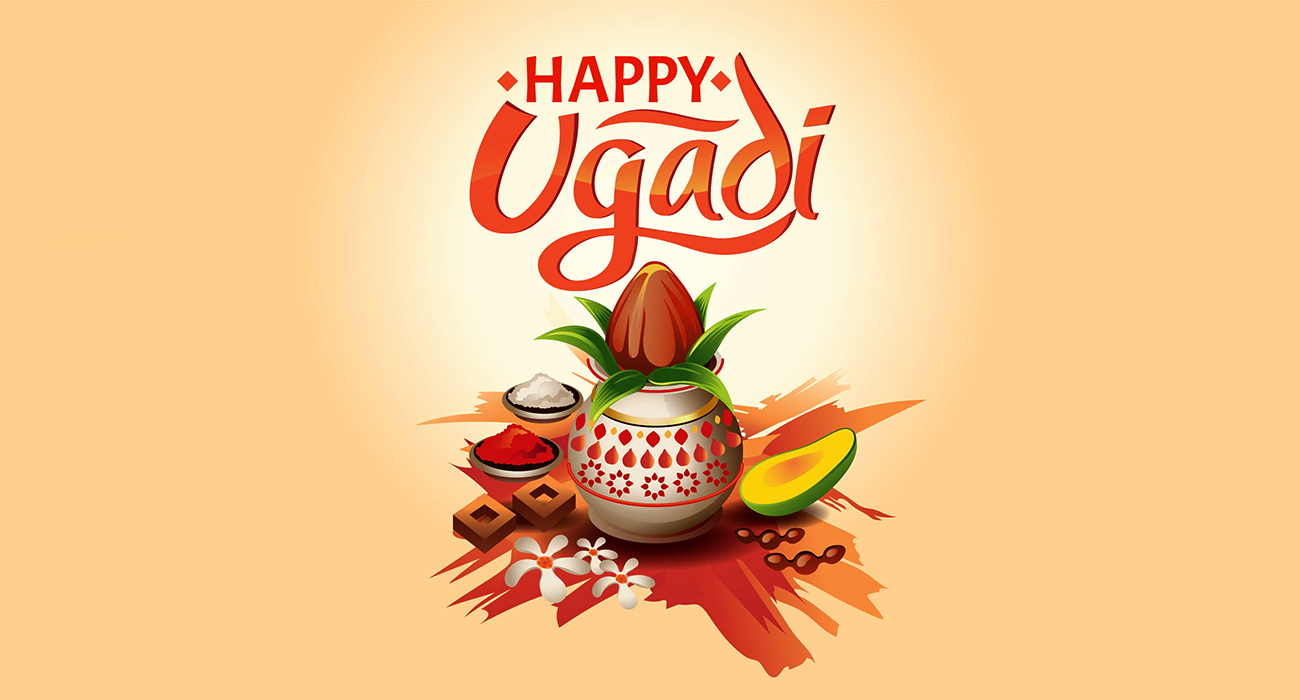
Ugadi, also known as Yugadi, marks the beginning of the Hindu New Year according to the lunisolar calendar. The word originates from two Sanskrit terms — ‘Yuga’ meaning age and ‘Adi’ meaning beginning. Together, Ugadi signifies the start of a new era, often linked to the onset of the Kali Yuga, believed to have begun after Lord Krishna departed the Earth. Celebrated with great joy in Andhra Pradesh, Telangana, and Karnataka, Ugadi welcomes spring, new harvest, positive beginnings, and renewed hope. People dress in new clothes, visit temples, decorate their homes, and greet each other warmly on this auspicious day.
.jpg)
Vasant Panchami, also known as Basant Panchami or Saraswati Puja, marks the arrival of spring, a season of growth, renewal, and prosperity. The festival is dedicated to Goddess Saraswati, the deity of knowledge, music, arts, learning, and wisdom. It is celebrated across the Indian subcontinent with diverse regional traditions. Vasant Panchami also signals the beginning of the preparations for Holi, which falls exactly 40 days later. As each season transitions over 40 days, this festival marks the early onset of spring, when mustard fields bloom with vibrant yellow flowers.
Vishu is one of Kerala’s most important festivals, marking the Malayalam New Year. Celebrated with great enthusiasm by Malayalis in Kerala and across the world, Vishu represents hope, prosperity, and new beginnings. It falls on the first day of the Malayalam month of Medam (Aries), usually in mid-April.