



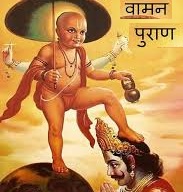
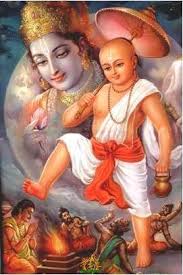

The Vamana Purana is one of the eighteen Mahapuranas of Hinduism and is composed in Sanskrit. Named after the Vamana avatar of Lord Vishnu, this Purana is traditionally associated with Vaishnavism. However, surviving manuscripts reveal that the text today contains significant Shaiva content, extensive Tirtha Mahatmyas (pilgrimage guides), and hymns celebrating multiple deities. Because of its layered evolution and regional adaptations, the Vamana Purana is considered a multi thematic, non sectarian scripture that blends mythology, sacred geography, and devotional teachings.
Date of Composition
Dating the Vamana Purana is challenging, but scholars
generally agree:
Although tradition attributes the Purana to Sage Vyasa,
modern research indicates that it is a composite work by multiple authors
developed over centuries.
Links to download
Hindi :
Vamana Puran (HN)
English :
Vamana Puran (EN)
Significance of the Vamana Purana
The Purana is named after Vamana, the fifth avatar of
Vishnu, and highlights the story where:
This myth symbolizes the triumph of dharma, humility, and
divine intervention in restoring balance.
Beyond the Vamana story, the text also:
Structure of the Vamana Purana
The original Purana is said to have contained 10,000 verses,
but surviving manuscripts include 5,813 verses along with five prose sections
(stotras). This suggests that nearly half of the text is missing.
1. Known Structure
2. Chapters
These Samhitas are believed lost.
Manuscript Variations
The Vamana Purana exists in several regional recensions,
with substantial differences:
The missing Brihad‑Vamana Purana and four Samhitas indicate
that the surviving text is only a portion of the original work.
Summary of Contents
The Vamana Purana includes:
1. Vamana Avatar Narrative
Narrated in the opening chapters where Narada asks Pulastya
about:
2. Shiva-Centric Teachings
Contrary to expectations for a Vaishnava Purana, the text
devotes:
This suggests the text evolved into a Shaiva‑leaning Purana
over time.
3. Tirtha Mahatmyas
A major portion of the Purana describes the spiritual glory
of pilgrimage regions:
4. Limited Puranic Elements
Unlike many Puranas, the Vamana Purana contains very
little:
It focuses more on sacred geography, temple traditions, and
devotional storytelling.
Classification
The Padma Purana classifies the Vamana Purana as a Rajas
Purana, though modern scholars regard the Sattva‑Rajas‑Tamas classification
system as symbolically meaningful rather than historically accurate.
Size
Language
Authorship
Traditionally attributed to Ved Vyasa, but the Purana’s
textual layers suggest contributions from multiple authors across different
centuries.
Conclusion
The Vamana Purana is a fascinating and multi‑layered
scripture that blends Vaishnava mythology with Shaiva devotion, sacred
geography, and regional pilgrimage traditions.
Although much of the original material has been lost or altered, the surviving
text provides valuable insights into medieval Hindu worship, cultural life, and
temple traditions.
Its unique blend of:
makes it an important text for understanding the diversity
and evolution of Puranic literature.
Links to download
Hindi : Vamana Puran (HN)
English : Vamana Puran (EN)