



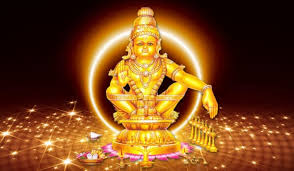
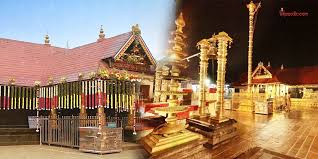
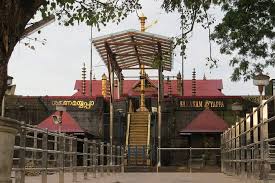
The Sabarimala Sree Dharma Sastha Temple, located in the dense forests of the Periyar Tiger Reserve in Pathanamthitta district, Kerala, is one of the most revered temples in India. Dedicated to Lord Ayyappa (Sri Dharma Sastha)—the celestial son of Lord Shiva and Mohini (Vishnu’s divine avatar)—the temple attracts millions of devotees every year, making it one of the largest annual pilgrimage sites in the world. Situated atop the Sabarimala Hill at an elevation of about 1260 meters, the temple is surrounded by 18 sacred hills. It is known for its unique traditions, including the famous 41 day vratham (austerity period) and the pilgrimage to Pamba followed by a trek through the forests to reach the Sannidhanam. The temple opens only on specific occasions: • Mandala Pooja (Nov–Dec) • Makaravilakku / Makar Sankranti (Jan) • Vishu (April) • First five days of every Malayalam month Sabarimala is renowned for promoting religious harmony, respecting all faiths, and following long standing traditions
History
and Significance
Origin
and Early History
Sabarimala’s
spiritual legacy is deeply rooted in South India’s ancient traditions. Lord
Ayyappa—considered an incarnation of Dharma Sastha—is believed to have
meditated at Sabarimala, eventually attaining union with the divine. The sacred
spot where he meditated is known as Manimandapam.
The
worship of Shasta (Ayyappa) has a prominent place in southern India. According
to legend, Lord Parashurama (an avatar of Vishnu) installed the original
Ayyappa idol at Sabarimala, making it one of the five principal temples of Lord
Shasta:
1. Kulathupuzha –
Child form
2. Aryankavu –
Youth form
3. Achankovil –
Householder form
4. Sabarimala –
Ascetic / Yogic form
5. Ponnambalamedu –
Associated with Makaravilakku
Restoration
of the Temple
In 1950,
the temple was damaged due to arson. It was rebuilt, and the original stone
idol was replaced with a panchaloha (five‑metal alloy) idol
approximately 1.5 meters tall. The sanctum sanctorum today is adorned with a gold-plated
roof, golden finials, and intricate architectural elements
reflecting Kerala’s temple tradition.
Temple
Architecture
The
Sabarimala Temple complex includes:
The
temple is surrounded by dense forests called Poongavanam, and many of
the surrounding hills (e.g., Nilakkal, Karimala, Kalaketty) contain ancient
temples or their remnants.
Deity
Worshipped
Additional
deities associated with the temple complex include:
Festivals
and Celebrations
The
major festivals celebrated at Sabarimala include:
Mandala
– Makaravilakku
The
primary festival season from November to January, marking the peak of the
pilgrimage.
Makara
Sankranti
Celebrated
annually on 14 January, when the divine light known as Makara Jyothi
is witnessed from the temple.
Vishu
and Monthly Opening Days
Special
rituals take place during Vishu (Malayalam New Year) and the first five days of
every Malayalam month.
Temple
Timings
(Subject
to seasonal schedules)
Aarti,
Nivedyam, and daily rituals follow guidelines established by the Thantri
and temple authorities.
How
to Reach Sabarimala Temple
Map
By Air
Nearest
Airports:
By
Rail
Nearest
railway station:
Other
nearby stations:
By
Road
From
Pamba, pilgrims trek the traditional route to reach Sannidhanam.
Contact
Information
Phone:
📞 7025800100
Email:
📧 webprd@kerala.gov.in
Address:
Sabarimala Temple,
Pathanamthitta District, Kerala
India
Nearby
Sacred Places
Pampa
Ganapathi Temple
Located
near River Pamba, this temple is a significant stop for pilgrims before
beginning their climb toward Sannidhanam.
Nilakkal
Mahadeva Temple
Believed
to be one of the original temples dedicated to Lord Shiva, father of Lord
Ayyappa.
Malikappuram
Devi Temple
Located
near the Sannidhanam, dedicated to Goddess Malikappuram.
Conclusion
The Sabarimala
Sree Dharma Sastha Temple is a divine pilgrimage center symbolizing
devotion, discipline, and unity. With its ancient heritage, sacred traditions,
and serene forest surroundings, Sabarimala continues to inspire millions on
their spiritual journey.