



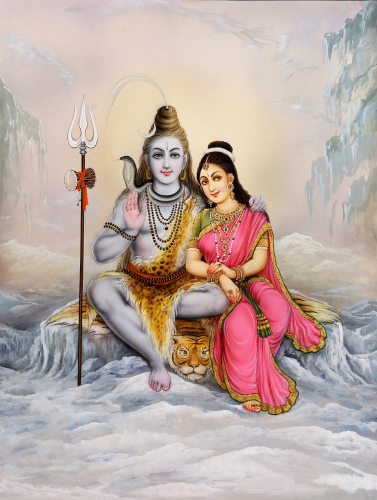
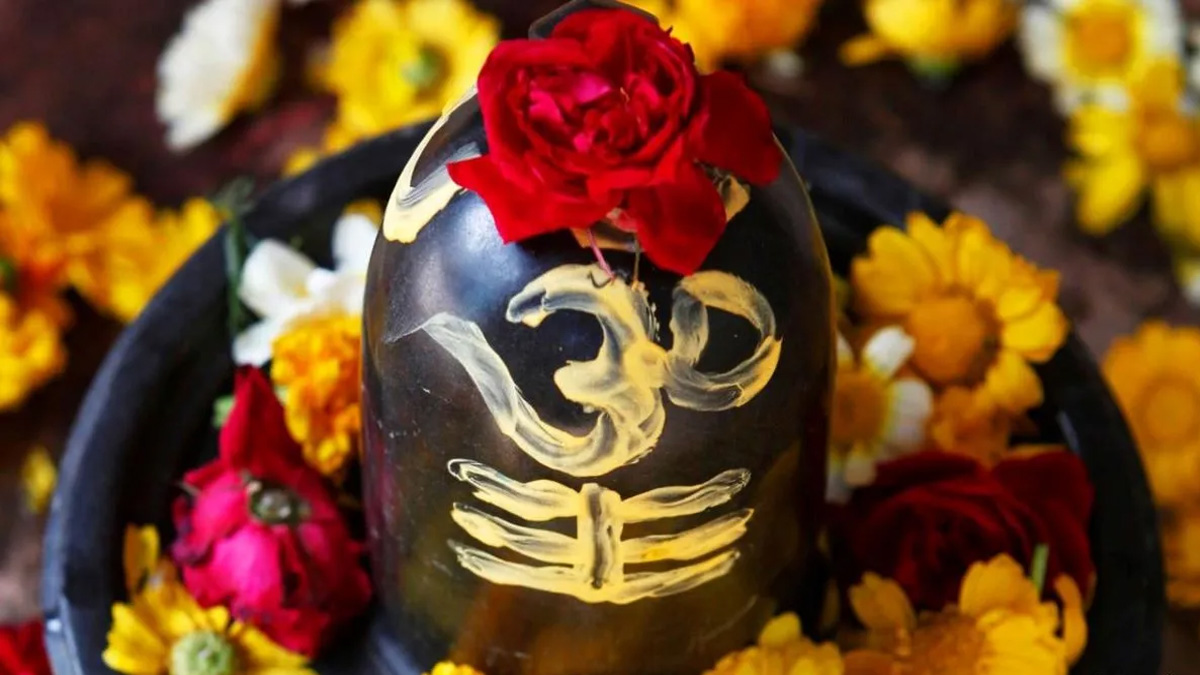
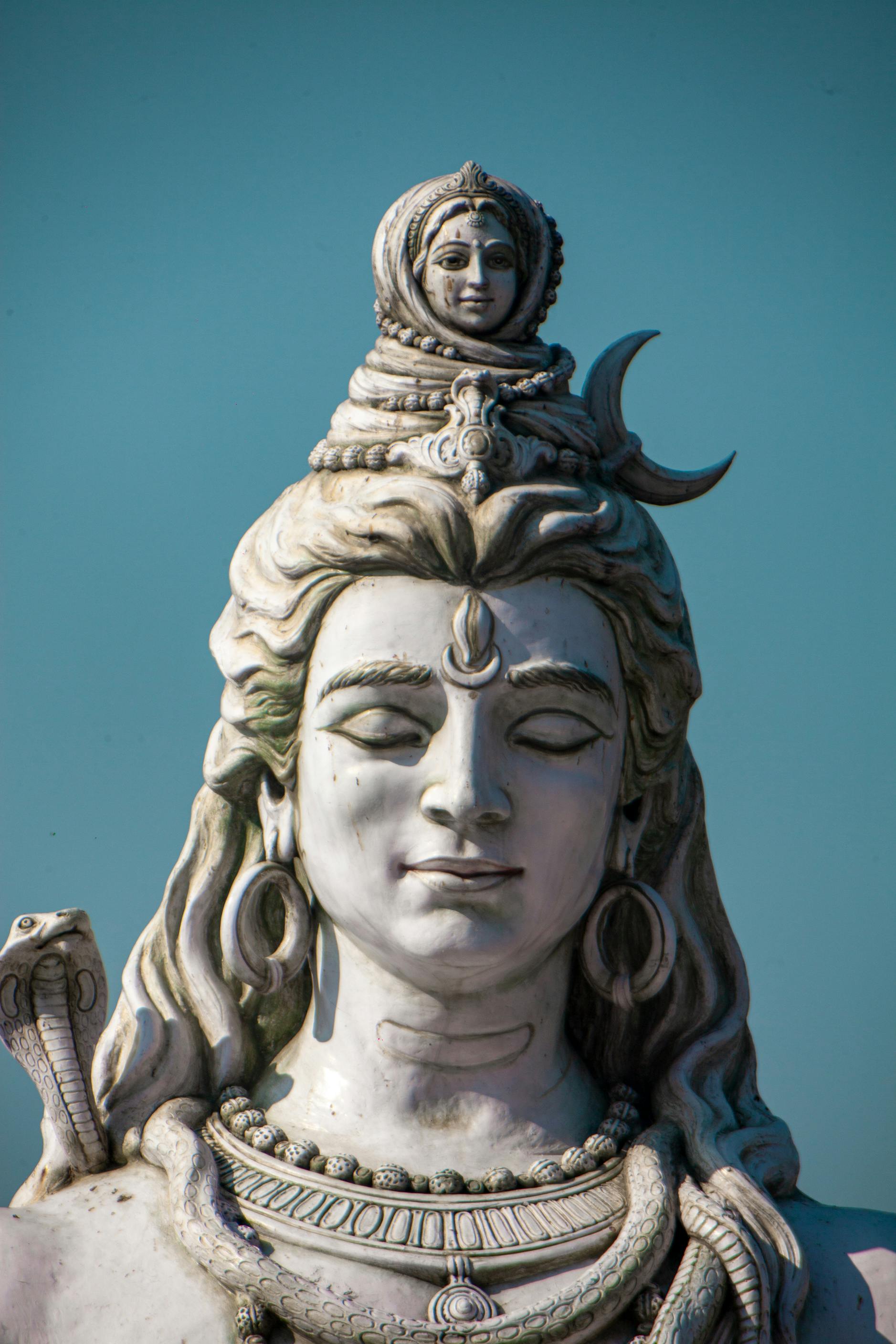
Maha Shivaratri is one of the most sacred Hindu festivals dedicated to Lord Shiva. The term means “The Great Night of Shiva”. While a Shivratri occurs every month on the 14th day of the Krishna Paksha, Maha Shivaratri is observed once a year during the late winter months of February–March (Phalguna/Magha, depending on regional calendars). Maha Shivaratri holds deep spiritual, cultural, and historical significance and is a powerful night for meditation, fasting, and connecting with the divine.
🌟 Significance of Maha
Shivaratri
Maha
Shivaratri is associated with several legends:
1.
Marriage of Shiva and Parvati
Many
believe Maha Shivaratri marks the divine wedding of Lord Shiva and Goddess
Parvati, symbolizing the union of energy (Shakti) and consciousness (Shiva).
2.
Shiva Saving the World During Samudra Manthan
According
to another legend, during the cosmic churning of the ocean, a deadly poison
(halahala) emerged.
To protect the universe, Lord Shiva drank the poison, storing it in His throat
— turning it blue and earning the name Neelkantha. Maha Shivaratri
commemorates this divine act of sacrifice.
3.
The Night of Shiva’s Cosmic Dance (Tandava)
Maha
Shivaratri is also believed to be the night when Shiva performed the Tandava,
the dance of creation, preservation, and dissolution.
4.
Festival of Dance & Devotion
Historically,
major temples such as Chidambaram, Konark, Khajuraho, Pattadakal, and Modhera
have hosted classical dance festivals (Natyanjali) on this day, celebrating
Shiva as the Lord of Dance (Nataraja).
🕉 Deity Worshipped
🙏 Rituals & Puja
Vidhi of Maha Shivaratri
Devotees
across the world observe Shiva’s sacred night through fasting, meditation,
chanting, and temple visits.
1.
Holy Bath (Snan)
2.
Temple Visit & Shivling Abhishekam
Shivling
is bathed with:
All
elements symbolize purity and the surrender of ego.
3.
Fasting (Vrat)
Maha
Shivaratri fasting is one of the strictest vrats:
Fasting
represents self‑control, purification, and devotion.
4.
Night‑long Vigil (Jagran)
5.
Offering to Shivling (Bel Patra)
Bilva
leaves are offered as they are believed to soothe Shiva, who absorbed cosmic
poison.
🎉 Celebrations Across
India & Worldwide
Maha
Shivaratri is observed with devotion across India and South Asia:
India
Nepal
Observed
nationwide as one of the most revered festivals, with grand celebrations at the
Pashupatinath Temple.
Outside
South Asia
Hindu
communities in the UK, US, Canada, Mauritius, Malaysia, Fiji, and Singapore
gather in temples for bhajans, meditation, and Shivratri puja.
🍽️ How to Celebrate
Maha Shivaratri (Fasting & Food Rules)
During
Maha Shivaratri vrat, devotees follow strict dietary discipline:
Foods
Allowed
Foods
Avoided
Fasting
Tips
📍 Best Places to
Experience Maha Shivaratri
📅 Date Example 2026
Maha Shivaratri - Sunday, February 15, 2026
🏛 Public Holiday
Yes,
Maha Shivaratri is a public holiday in several Indian states.