



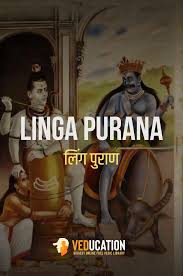

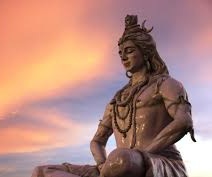
The Linga Purana is one of Hinduism’s eighteen major Mahapuranas, composed in Sanskrit and deeply rooted in Shaivism. The scripture centers on the Linga, the symbolic representation of Lord Shiva, and explores its philosophical, cosmological, ritualistic, and devotional significance. As with other Puranas, it evolved over centuries, resulting in multiple manuscript traditions.
Date of Composition
The exact date of the Linga Purana is uncertain. However,
scholars estimate:
Like most Puranas, it is a layered composition,
reflecting contributions from different authors and periods.
The Linga Purana is a foundational text for understanding:
1. The Symbolism of the Linga
According to the Purana:
The Linga is therefore an aniconic symbol of both matter
(Prakriti) and spirit (Purusha), representing creation, dissolution,
and liberation.
2. Shaivite Worship and Philosophy
3. Spiritual Ethics
While the text contains strong expressions of loyalty
toward Shiva, it also emphasizes:
Structure of the Linga Purana
The Linga Purana is divided into two major parts:
1. Purva‑bhaga (Purvardha)
2. Uttara‑bhaga (Uttarardha)
Some scholars believe the Uttara‑bhaga may be a later
addition, as chapter counts vary significantly.
Manuscript Variations
Because the Purana evolved over centuries:
These variations are common across major Hindu Puranas.
Summary of Contents
The Linga Purana covers a wide spectrum of themes that blend mythology, cosmology, philosophy, and ritual practice. Key topics include:
1. Cosmology & Creation
2. Astronomy (Aditya, Chandra & Graha Systems)
Chapters 1.55–1.61 outline:
3. Geography & Natural World
The Purana describes:
This blends geography with religious symbolism.
4. Tirtha Mahatmya (Pilgrimage Traditions)
Praise for holy sites such as:
These chapters highlight the spiritual merit of pilgrimage.
5. Yoga, Ethics & Spiritual Discipline
The Purana includes teachings on:
Referenced in chapters 1.8, 1.88–1.89, 2.13, and others.
6. Devotional Zeal
The text strongly promotes devotion to Shiva.
Some passages emphasize unwavering commitment, including metaphorical
expressions encouraging the protection of Shiva’s honor.
At the same time, the Purana also praises:
7. Philosophical Symbolism
According to scholars like Stella Kramrisch:
The Linga is not merely a physical object but a profound metaphysical
symbol.
Size and Language
Authorship
The author of the Linga Purana is unknown.
Traditional sources attribute it to sages in Shiva’s lineage, but modern
scholarship suggests multiple contributors across centuries.
Conclusion