



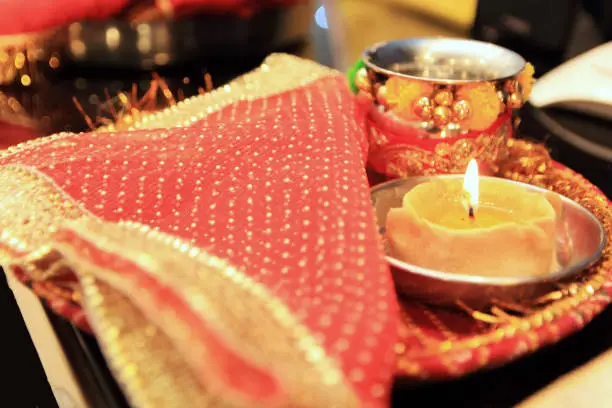
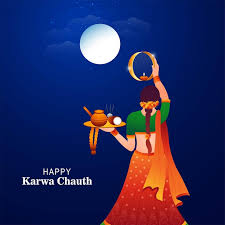
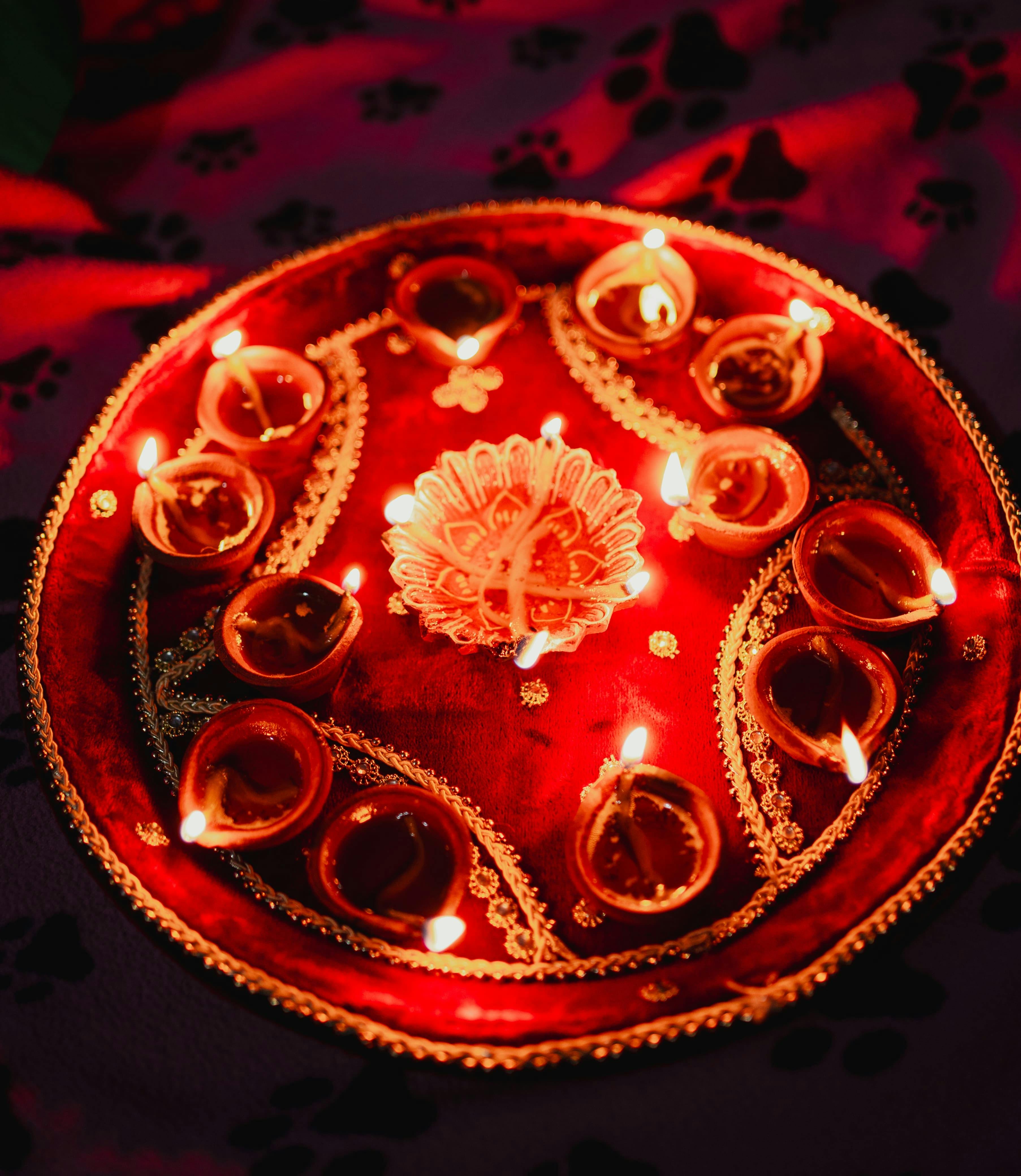
Karwa Chauth is one of the most important Hindu festivals dedicated to married women. Observed on the fourth day after Purnima (Full Moon) in the Hindu month of Kartik, it follows the traditional lunisolar calendar, which determines auspicious days based on moon phases. Widely celebrated in North India — especially in Punjab, Haryana, Delhi, Uttar Pradesh, Himachal Pradesh, Jammu & Kashmir, and Madhya Pradesh — Karwa Chauth is a sacred fast where married women pray and fast from sunrise to moonrise for their husband's long life, prosperity, and well being. In Andhra Pradesh, a similar festival is called Atla Tadde.
🌟 Significance
of Karwa Chauth
In
earlier times, men would often travel far from home for trade routes, military
duties, or long journeys. Women prayed for their safe return, and over time
this evolved into the Karwa Chauth fast.
Karwa
Chauth symbolizes:
Worship
is offered to Karwa Mata (Goddess Parvati) along with Lord Shiva,
Lord Ganesha, and Lord Kartikeya.
Women
wake up early during Brahma Muhurat, bathe, prepare for the fast, and
take a Sankalp (vow) to observe the vrat with devotion.
🕉 Deities
Worshipped
🙏 Karwa
Chauth Rituals (Puja & Vrat Vidhi)
1.
Pre‑Festival Preparations
A
few days before the festival, women begin shopping for:
Markets across North India display festive items and decorated puja plates.
2. Sargi (Pre‑Dawn Meal)
Women
wake up before sunrise and eat Sargi, a traditional meal gifted by the
mother‑in‑law.
It includes:
After sunrise, the fast begins — no food or water is consumed until moonrise.
3.
Dressing & Puja Preparation
Women
dress traditionally in:
They
apply mehendi and prepare the puja thali with:
4.
Evening Puja
In
groups or at home, women sit together to:
5.
Moonrise Ritual
Once
the moon appears:
🎉 How
Karwa Chauth Is Celebrated Across India
North
India (Punjab, Haryana, UP, HP)
Delhi
& NCR
Madhya
Pradesh & Rajasthan
Andhra
Pradesh (Atla Tadde)
🎁 Popular
Karwa Chauth Gifts
📍 Best
Places to Experience Karwa Chauth
These
regions host the most vibrant and traditional celebrations.
📅 Date
& Time 2026
Observed on the fourth day of Krishna Paksha in Kartik month.
Karwa Chauth - Thursday, October 29, 2026
Karwa Chauth Puja Muhurat - 05:38 PM to 06:56 PM
Karwa Chauth Upavasa Time - 06:31 AM to 08:17 PM
Moonrise on Karwa Chauth - 08:17 PM
🏛 Public
Holiday
Karwa
Chauth is not a public holiday, but widely observed across: