



Diwali, also called Deepavali, is one of India’s grandest and most cherished festivals. The name comes from the Sanskrit words “Deepa” (lamp) and “Avali” (row), symbolizing a row of lights that dispels spiritual darkness and heralds positivity, prosperity, and knowledge. For Hindus, Diwali holds the same importance that Christmas holds for Christmas, making it a festival of joy, unity, and celebration across communities. Over time, Diwali has become a national festival, widely celebrated by Hindus, Sikhs, Jains, and Buddhists in different ways, each observing unique legends rooted in their faith traditions.
🌟 Significance
of Diwali Across Religions
Although
Diwali has diverse origins, its universal theme remains the same as the victory of light over darkness, knowledge over ignorance, and good over
evil.
Hinduism
For
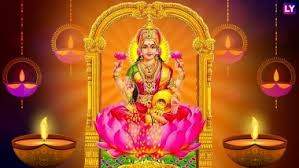
Hindus, Diwali is primarily dedicated to Goddess Lakshmi, the deity of
wealth, prosperity, and good fortune. It also marks:
Jainism
Jains
commemorate Diwali as the day of Mahavira’s Nirvana, when Lord Mahavira
attained spiritual liberation in 527 BCE.
Ancient Jain texts describe how kings and devotees lit lamps to honor the
“great light” of Mahavira’s knowledge.
Sikhism
In
Sikh tradition, Diwali is linked to Bandi Chhor Divas, marking:
Diwali
also aligns with earlier Sikh traditions, including Guru Amar Das’s gatherings
for communal unity at Goindwal.
Buddhism
Most
Buddhists do not celebrate Diwali, except the Newar Buddhists of Nepal,
who worship Goddess Lakshmi during this period. Their Diwali traditions align
with the Vajrayana Buddhist practice of honoring deities for worldly welfare.
🕉 Deity
Worshipped
🙏 Rituals
of Diwali
✔ Lakshmi Puja
People
dress in new clothes, decorate homes with rangoli and diyas, and perform Lakshmi-Ganesha
Puja seeking prosperity and blessings.
✔ Lighting Diyas &
Fireworks
Clay
lamps, candles, and lanterns illuminate homes, temples, and workplaces,
symbolizing the destruction of negativity.
✔ Feasts & Sweets
Exchanging
sweets (mithai), gifts, and festive meals is a major highlight.
✔ Rangoli &
Decorations
Colorful
rangolis, torans, flowers, and lights enhance the festive atmosphere.
✔ Community
Celebrations
Markets,
societies, and temples host cultural events, fairs, fireworks, and processions.
🎉 How
Diwali is Celebrated (Five-Day Festival)
Diwali
is traditionally observed over five days, each with special rituals:
1. Day
1 – Dhanteras
Buying gold, silver, and utensils; worship of Dhanvantari and Lakshmi.
2. Day
2 – Naraka Chaturdashi (Chhoti Diwali)
Ritual oil baths, lighting initial diyas, and symbolizing the defeat of
Narakasura.
3. Day
3 – Lakshmi Puja (Main Diwali Night)
The darkest night of Kartika Amavasya, illuminated by countless lamps.
4. Day
4 – Govardhan Puja / Padwa
Celebrates Krishna lifting Mount Govardhan and marks the bond between spouses.
5. Day
5 – Bhai Dooj
Brothers and sisters honor their sacred bond through tilak rituals &
exchange of gifts.
🌾 Cultural
& Agricultural Connection
Diwali
is also a post-harvest festival across India. Farmers express gratitude
for a prosperous crop and pray for abundance in the coming year.
Offerings made during Lakshmi Puja symbolize:
In
Odisha and the Deccan region, dried cow dung (a traditional fertilizer) is
symbolically used to honor the agricultural cycle.
Ancestral
remembrance is another important element in many communities.
🎁 Gifts
Exchanged During Diwali
📅 Date
& Time 2026
Diwali
is celebrated during the Hindu lunisolar month of Kartika (mid‑October
to mid‑November). The main festival falls on Amavasya, the darkest night of the month. In 2026, Diwali (Deppavali) date is 8th November, 2026.
🏛 Public
Holiday